
Book Direct vs Booking.com Hostel: What Changes for You
Book direct vs Booking.com hostel: what really changes for travelers, from talking to the host to changing dates and asking for a room, with a Busan example.
The short answer
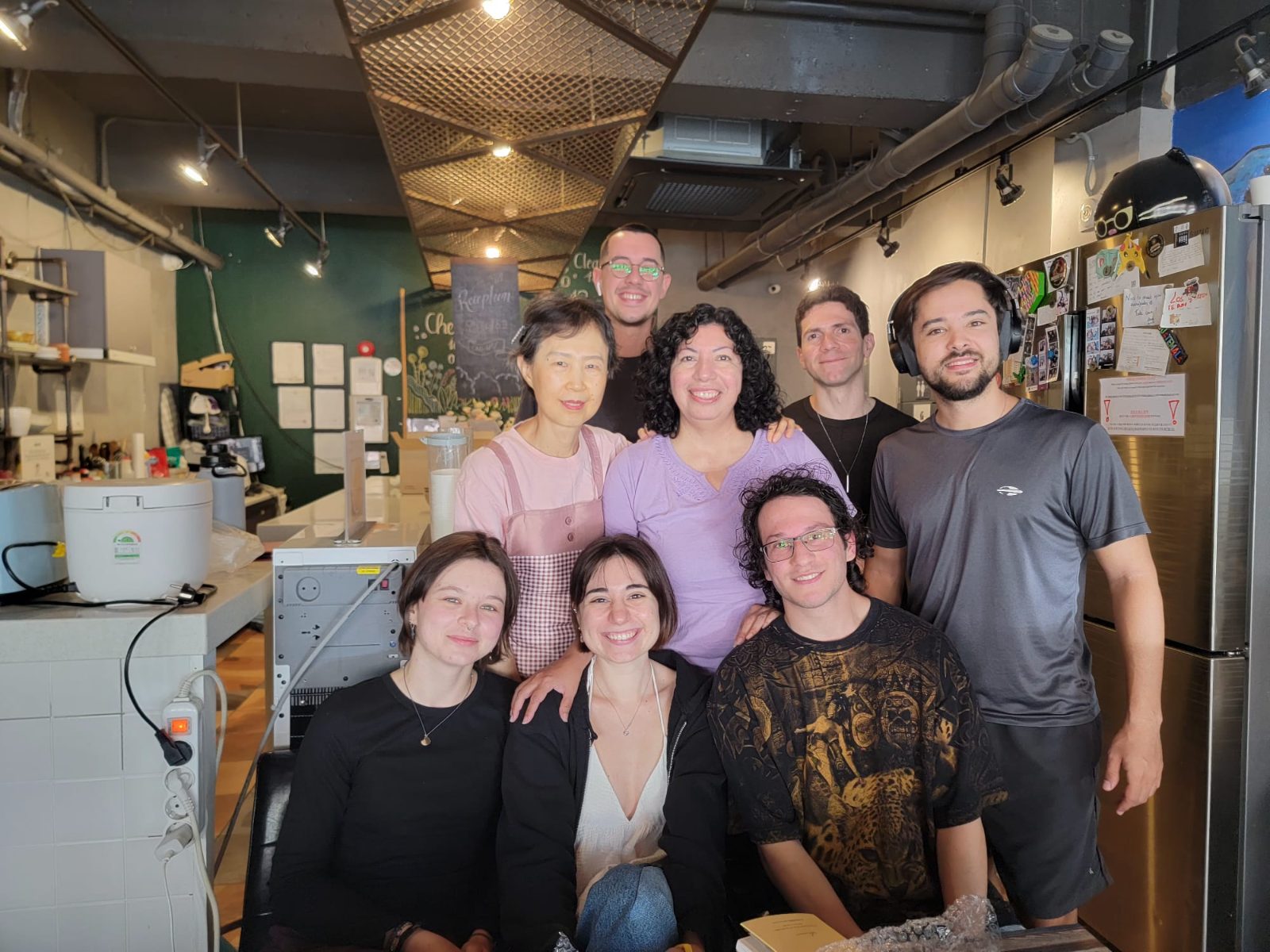
When you book a small guesthouse or hostel directly, the main thing that changes is who you are talking to. On a big booking platform, you deal with the platform's system first and the property second. When you book direct, your reservation sits with the people who run the place. For a small property in Busan, that usually means easier questions, more flexible conversations about changes, and a better chance that a room request actually reaches a person who can act on it.
What does not automatically change is the price, the cancellation terms, or the quality of the bed. This article does not claim that direct is cheaper, and you should not assume it is. Rates move by date and room type, so the only honest method is to compare the same dates, the same room, and the same cancellation terms on both sides. Here is what to look at when you do that comparison, and what you might give up.
Why the book direct vs Booking.com hostel question matters more in small places
A 600-room hotel has a front desk team, a reservations department, and processes for everything. A guesthouse in Busan might have a handful of staff, or even one person on shift, who also cleans, answers messages, and recommends dinner. That scale is the whole point of staying there, and it is also why the path your message takes matters.
If your question has to pass through a third-party messaging layer, it can arrive late, arrive without context, or arrive as a form field you didn't know you were filling in. If you message or book through the property's own channels, the person reading it is the person who will be standing at the desk when you arrive. That does not guarantee a better answer. It does shorten the distance between your question and someone who can answer it.
1. Communication: you talk to the host, not a ticket
Small Korean guesthouses often run on a mix of channels: a website, email, Instagram, a phone line, and very often KakaoTalk. Many hosts reply fastest on whichever channel they check all day, and it is not always the one a booking platform uses.
Things that are worth sending to the host before you arrive, whichever way you book:
- Your real arrival time, including flight delays or a late KTX into Busan Station.
- Whether you need to drop luggage before check-in. Ask rather than assume.
- Anything about the room that affects your sleep: light sleeper, early flight, working remotely at night.
- Dietary or accessibility questions, such as stairs, since many small buildings in Korea don't have lifts.
When you book direct, these messages tend to live next to your reservation instead of in a separate inbox. That sounds minor until you are standing outside a building at 11 p.m. trying to remember where you wrote down the door code.
2. Changes: dates, extensions, and the awkward middle
Every traveler eventually hits this: you love Busan more than expected and want two more nights, or your onward train gets moved and you need to leave a day early. How easy that is depends on the property's policy and the booking channel, so I'll avoid generalizing about any specific platform's rules.
What I can say is how it tends to work in practice with a small place:
- Extensions are mostly a question of whether your bed or room is free for the extra nights. The host knows that instantly. A third-party system may not show the same availability the host sees.
- Shortening a stay is governed by the cancellation or change terms on your listing. Read them before you pay, not after. Terms differ by property and by rate, and you should never assume a flexible policy exists unless it is written on the listing.
- Moving between room types (a dorm bed to a private room, for example) is a conversation, not a button. Talking to the host directly makes that conversation shorter.
Whatever you choose, take a screenshot of the cancellation terms at the moment you book. It takes five seconds and saves arguments.
3. Room requests: asking is easier than hoping
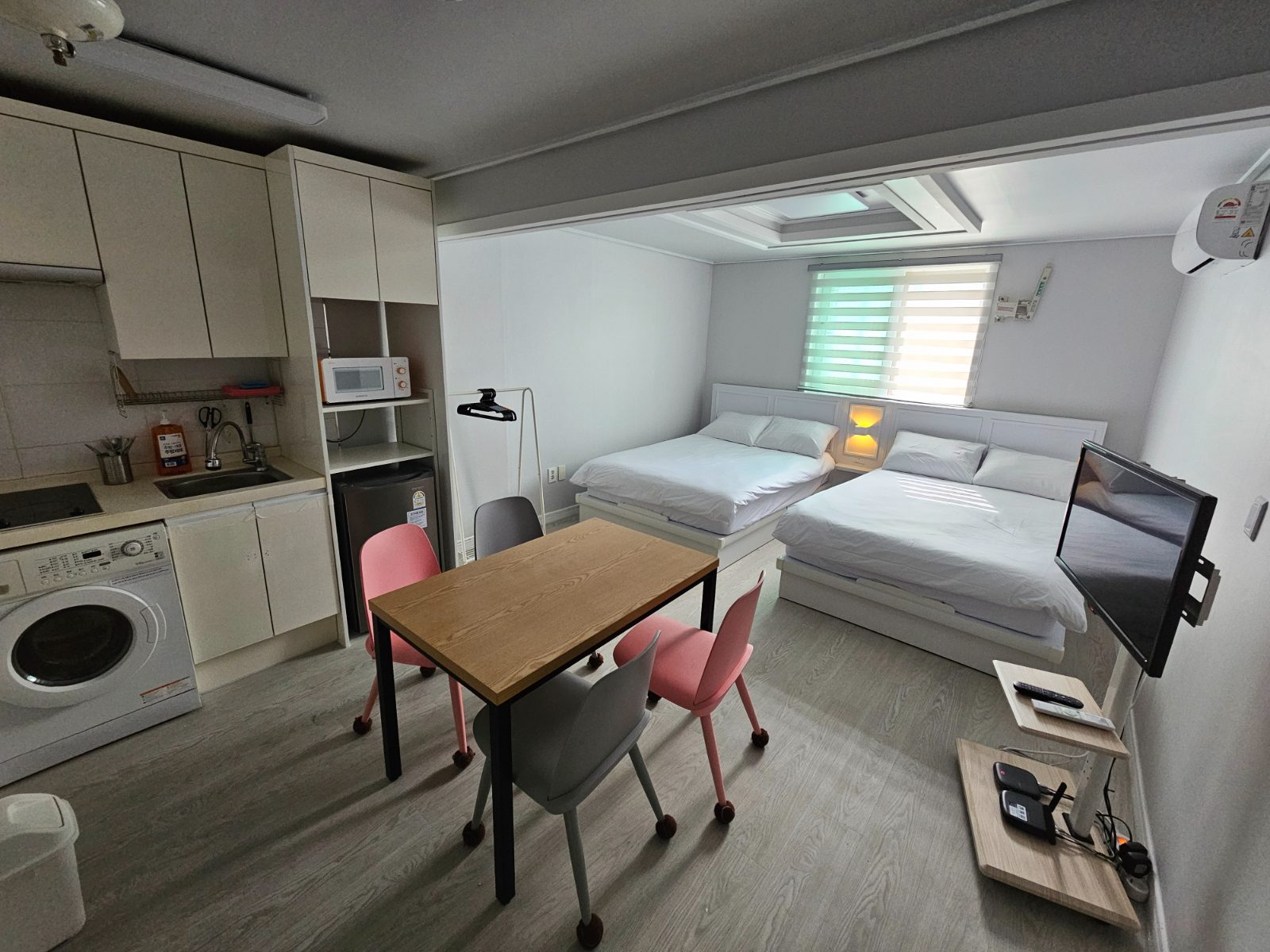
Most requests in a guesthouse are small, and small places can often handle them if they know early. Examples travelers commonly ask about:
- A lower bunk, or a bed away from the door in a dorm.
- A quieter room if you have an early start, such as a 6 a.m. train to Gyeongju or a morning ferry.
- Staying in a female-only dorm, or a mixed one, depending on how you want to travel.
- Two adjoining beds for friends traveling together.
Treat these as requests, not demands. A host who says yes to a bed preference on a quiet Tuesday may not be able to on a full holiday weekend. A polite, specific message sent early gives them the best chance of saying yes. Sending it directly to the property makes it much more likely they'll see it before you do.
4. What you might give up by booking direct
Being honest about the trade-offs is part of the advice. Booking direct is not strictly better, and these are the things you may lose:
- Easy comparison. Big platforms put dozens of properties on one screen. Going direct means you have to find the property first, which is fine if you already have a shortlist.
- Your existing account and points. If you collect loyalty rewards or travel credits on a platform, check what you'd forgo. Don't assume a benefit exists or doesn't. Look at your own account.
- One itinerary in one app. If you are booking ten stays across Korea, having them all in one place is convenient. A direct booking means one more confirmation email to track.
- Familiar review layout. Reviews are helpful wherever they appear. Read them wherever you find them, and judge the recent ones, the ones that mention what matters to you (noise, cleanliness, location), and the replies from the host.
If those trade-offs matter more to you than a closer line to the host, stay where you're comfortable. This isn't a loyalty test.
5. A quick checklist before you book direct
Direct does not mean careless. Before entering card details on any property's own site:
- Confirm the property is real. Check its map location, its Instagram, and whether its address, phone number and email match across sources.
- Read the cancellation and refund terms shown on the listing. Do not rely on memory or on what a different site said.
- Check the payment method. Reputable direct sites use established payment providers. Card and PayPal are common choices for international travelers.
- Look for instant confirmation. You should receive a confirmation right after payment, not a vague promise to follow up.
- Check the check-in and check-out times against your travel plans, especially if you're landing early or flying late.
- Find out how to reach the host during your trip: phone, email, KakaoTalk, or a stay page.
6. Busan-specific notes that affect your booking
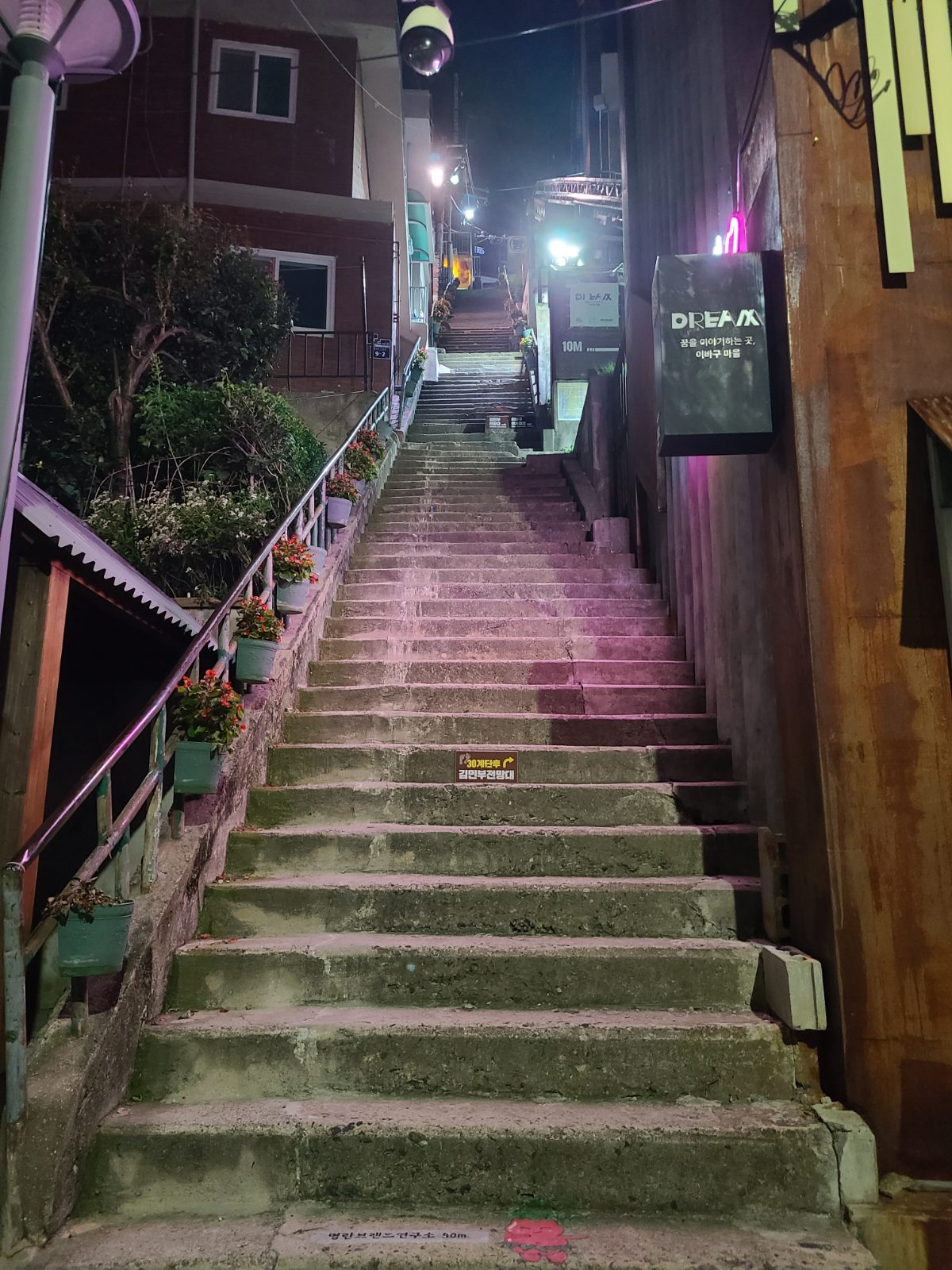
Busan's guesthouse areas cluster around the subway lines, so the neighborhood often decides more than the platform. A few things to consider:
- Seomyeon is the transfer point between Line 1 and Line 2, which makes it a practical base for reaching Haeundae, Gwangalli, and Busan Station without lots of changes.
- Late-night arrivals from Gimhae Airport or the KTX are common. Tell the host your realistic time, and confirm how self check-in or after-hours entry works.
- Ferry or day trips (to Jeju, Tsushima, Gyeongju) often mean very early mornings. Ask about quiet hours and breakfast before you commit to a dorm.
Fares, opening hours, and ferry schedules change, so check them shortly before you travel.
Where kimchee.live fits
kimchee.live is a direct-booking site built by people who run guesthouses in Busan themselves. The idea is simple: book direct, stay local, no OTA commission in the middle. You pay by card or PayPal, and your booking is confirmed as soon as payment completes. Afterward, a My Stay page keeps your confirmation, directions, check-in information, extension options, and messages with the host in one place. You can also review or change reservations from your account. Cancellation and refund terms follow whatever the individual listing shows, so read them on the listing page.
One example is Kimchee Busan Guesthouse in Beomnaegol, about a one-minute walk from Beomnaegol Station on Line 1. Seomyeon is one subway stop away, and Busan Station, Gwangalli, and Haeundae are all reachable by subway. It has private rooms (single, double, family, and four-person) and dorms (women's and men's, four-bed and ten-bed), plus a shared kitchen, lounge, laundry room, lockers, and Wi-Fi. Check-in is at 16:00 and check-out at 12:00. Prices depend on the dates, so enter yours on the site rather than relying on any number from a blog post. If you are still comparing neighborhoods and properties, the search page is a good place to start, and the blog has more Busan planning notes.
Bottom line
Booking direct with a small property mostly changes the conversation. Questions, changes and room requests go to the people who actually run the place. It does not guarantee a lower price or more flexible terms, so compare like for like and read the policy on every listing. If you value a short line to your host and a clear record of your arrangements, direct booking is worth trying. If you prefer one app for your whole trip, there is nothing wrong with that either. Just send your arrival time, your room preference, and your questions before you land.
Stay with us in Busan
Kimchee Busan Guesthouse is one minute from Beomnaegol Station and a short hop from Seomyeon. Book directly on kimchee.live — your reservation is confirmed the moment you pay.