
Busan Night View Guide: Where to Go and When
A practical Busan night view guide: Hwangnyeongsan, The Bay 101 and Marine City, Gwangan Bridge and Busan Tower, with subway routes and the best times to go.
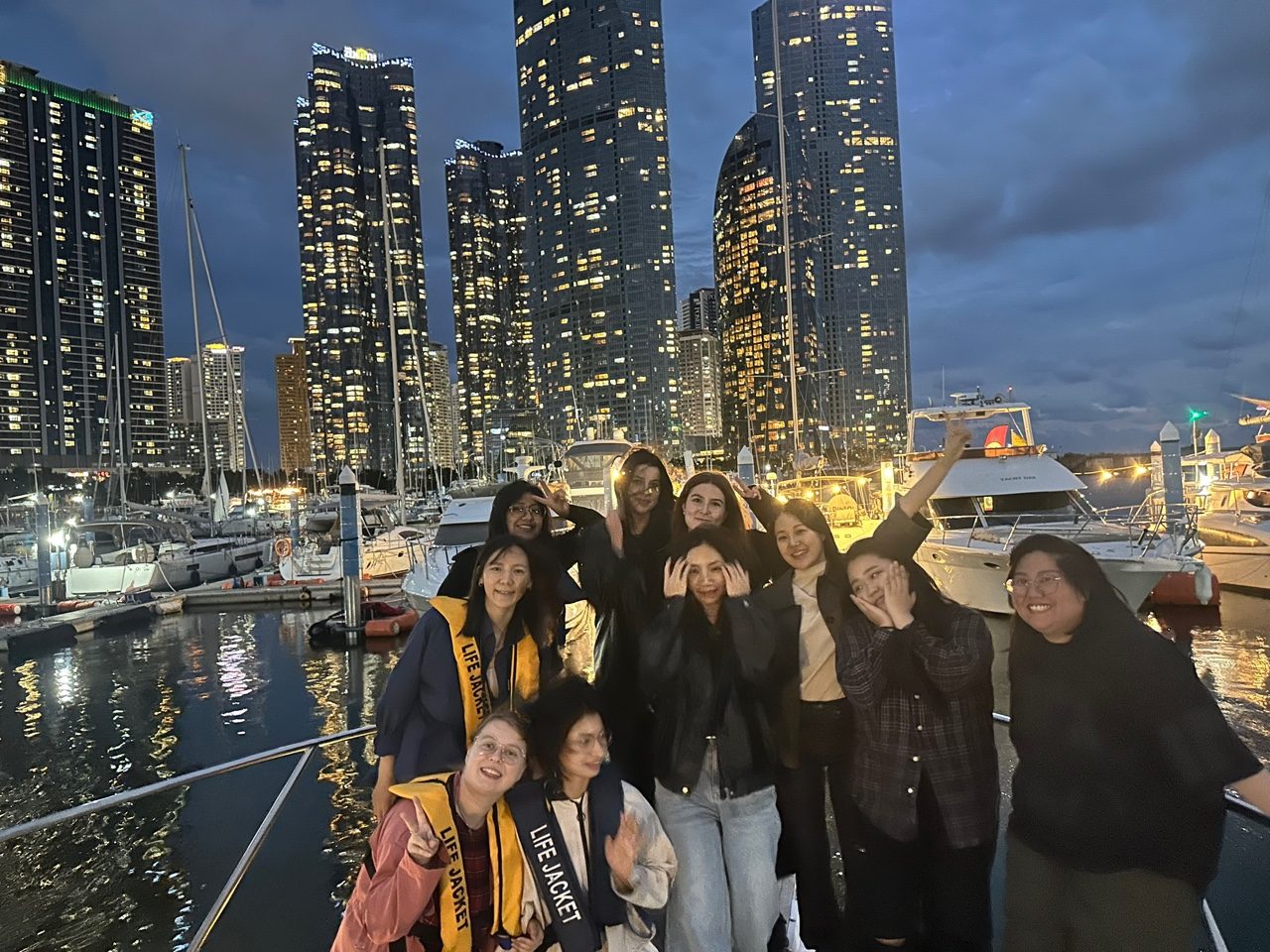
If you only have one evening, go to Gwangalli Beach for Gwangan Bridge. It is the easiest Busan night view to reach by subway, and you can eat and walk along the sand in the same trip. With a second evening, add Hwangnyeongsan for the widest panorama of the city, or The Bay 101 in Marine City for the glass-tower skyline. Busan Tower is the old-school option, and it fits well with an evening in Nampo and Jagalchi.
Below is how to reach each spot, when to arrive, and how to combine them without wasting your nights in transit. Prices, opening hours and light-show schedules change, so check those before you go.
Quick comparison
| Spot | What you see | Nearest subway | Good for |
|---|---|---|---|
| Gwangalli / Gwangan Bridge | Lit-up bridge over the bay, beachfront cafés | Line 2: Gwangan or Geumnyeonsan | First-timers, couples, an easy evening |
| The Bay 101 / Marine City | High-rise skyline across the water | Line 2: Dongbaek | Photos, a calmer waterfront walk |
| Hwangnyeongsan | City-wide panorama from above | Nearest stations are in Busanjin/Seomyeon area; you will need a bus or taxi up | Sunset into night, a big-picture view |
| Busan Tower (Yongdusan Park) | Harbor, Nampo and the old downtown | Line 1: Nampo | Combining with Nampo and Jagalchi |
Gwangan Bridge and Gwangalli Beach
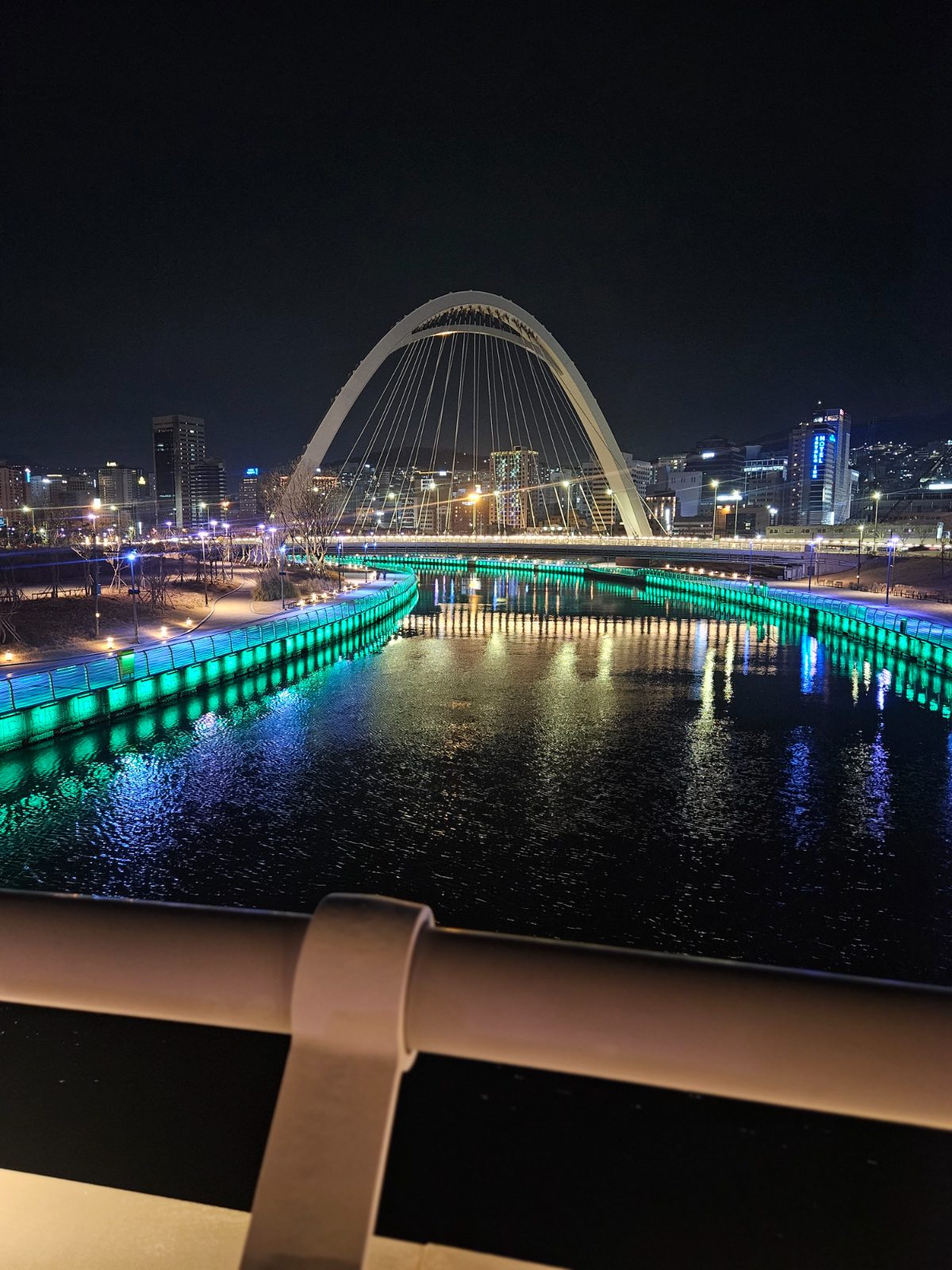
This is the postcard shot. The bridge is lit after dark, and from the beach the lights run across the bay. The strip behind the sand is full of cafés, bars and restaurants, so you do not need a plan. Order something, find a seat facing the bridge, and stay a while.
How to get there: Take Line 2 to Gwangan Station or Geumnyeonsan Station. From either, it is a walk to the beach, and your map app will show the best exit. If you are coming from Seomyeon, Line 2 runs straight there, so it is simple.
When to go: Arrive about 30 to 45 minutes before sunset. You get the pink sky, then the blue hour, then the bridge lights coming on. The bridge sometimes runs special lighting shows, and the schedule changes by season and event, so check the current one if it matters to you. In winter the wind on the beach is sharp, so bring a proper jacket. Cafés with big windows are a good backup.
Busan also holds a large fireworks festival, usually in autumn, with Gwangalli as the main setting. Dates are announced each year. If your trip overlaps, expect big crowds and book your stay early.
The Bay 101 and Marine City
Marine City, in Haeundae-gu, is the cluster of tall towers you see in many photos of modern Busan. The best-known viewpoint is The Bay 101, a waterfront complex across the water from the towers. Come here when you want the skyline and the reflections without Gwangalli's crowds.
How to get there: Take Line 2 to Dongbaek Station. From there it is a walk or a short bus or taxi ride, depending on your energy and the weather, so check your map app. Dongbaek Park and its seaside path are nearby, so you can make an evening of it.
When to go: Blue hour, shortly after sunset, is when the towers glow without the sky going fully black. Photographers should bring a small tripod or find something stable to rest the camera on. Handheld shots often blur in low light. Restaurant and shop hours around The Bay 101 vary, so check before planning dinner there.
Gwangalli and Marine City are on the same subway line, so they pair well in one evening. See the bridge at sunset, then continue to Dongbaek, or the other way round.
Hwangnyeongsan
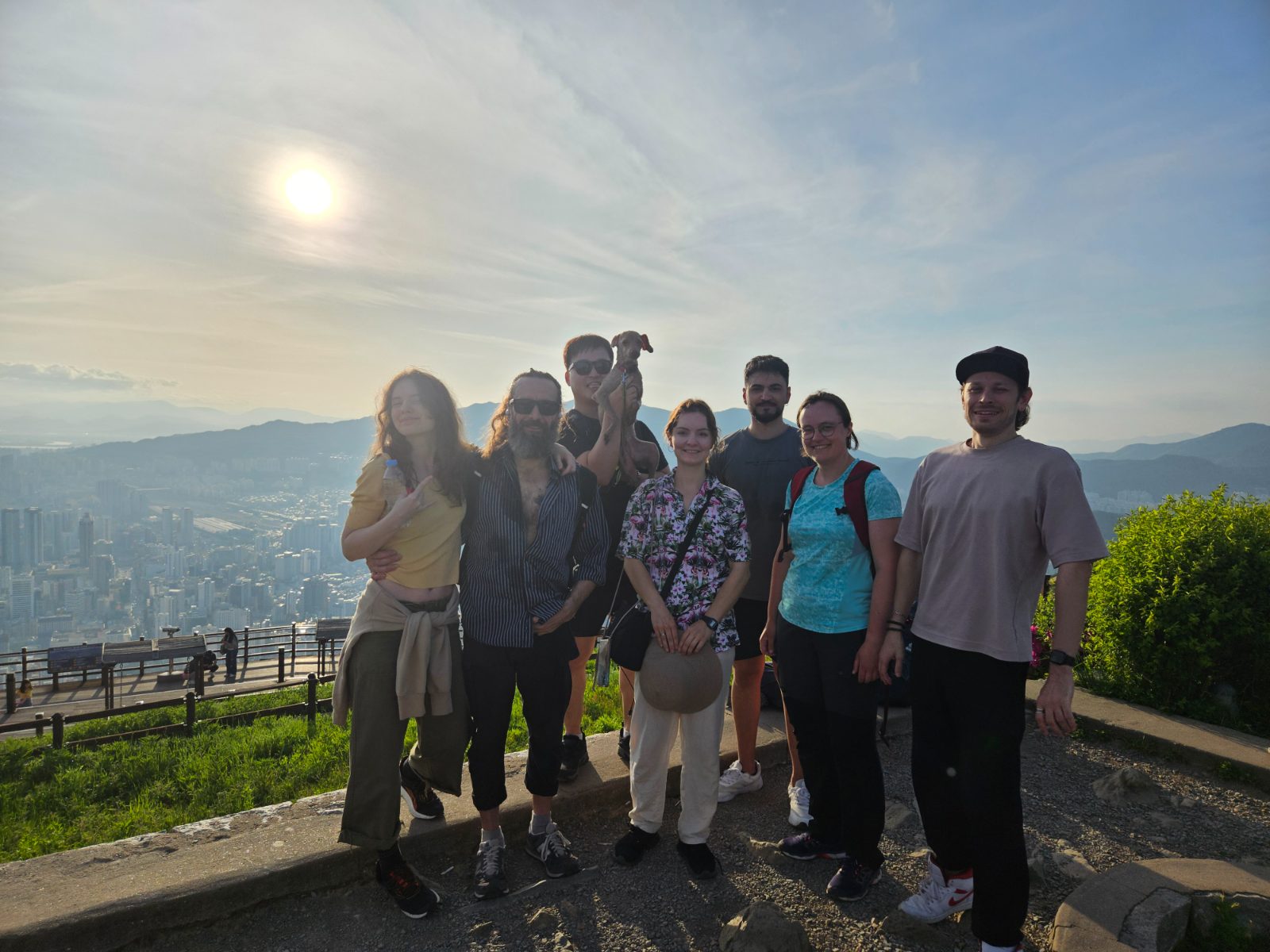
Hwangnyeongsan is the mountain ridge at the center of the city. At night you see the whole of Busan below you: the bay, the bridge, the harbor and the grid of central neighborhoods. It is the viewpoint locals bring friends to when they want to impress them.
How to get there: This is the one spot where a plain subway ride does not do it. You usually take the subway to a nearby station, then a local bus or taxi up the mountain road. Bus routes and stops change, so check Naver Map or Kakao Map for the current route. A taxi is the easiest option for two or more people, especially for the ride down. Hikers can walk up from the lower trails, but go in daylight and come down before dark unless you know the path.
When to go: Go up before sunset and stay through dusk. The summit is much cooler and windier than the city, even in summer, so bring a layer. On a clear evening this is the best view in the city. After heavy rain or on hazy days, though, it can disappoint. Check the forecast and air quality first. If the sky is murky, save it for another night.
Busan Tower and Yongdusan Park
Busan Tower stands in Yongdusan Park above Nampo, in the old downtown. The view is of the harbor, the port lights, the bridges and the old streets. It is lower-key than the other spots, but the location is excellent for what is around it.
How to get there: Take Line 1 to Nampo Station and follow the signs toward Yongdusan Park. The route is uphill from the shopping streets, partly by stairs and escalators. Tower admission and observation deck hours change, so check them before you go. The park itself is open to walk through, and you can enjoy the surroundings even if you skip the deck.
When to go: Combine it with an early dinner in Nampo or Jagalchi, then go up at dusk. The harbor lights look best once the sky has gone dark. After that, you can walk back down through the market streets and the Gwangbok-ro area, which is lively in the evening.
How to plan your nights
- One night: Gwangalli at sunset, then a late dinner on the beachfront.
- Two nights: Night one at Nampo and Busan Tower. Night two at Gwangalli, continuing to Dongbaek and The Bay 101 if you still have energy.
- Three nights: Add Hwangnyeongsan on the clearest evening in your forecast. Keep it flexible, because weather decides this one.
A few general tips:
- Check the last train. Busan subway lines stop running around midnight, and the last train times differ by station and direction. Check before you commit to a late night. Taxis are the fallback.
- Sunset time changes a lot through the year. It is much earlier in winter than in summer. Look up the actual time for your travel dates.
- Weather matters. Fog, rain and haze can flatten any of these views. Keep a backup spot or a flexible night.
- Dress for the wind. Beachfronts and hilltops are colder than the city streets at night, even in spring and autumn.
Where to stay for night-view hopping
Busan's night views are spread across the city, so a base on the subway makes things easier. Seomyeon and the area around Beomnaegol are practical because Line 1 and Line 2 meet at Seomyeon. That gives you a direct run toward Gwangalli and Dongbaek, and a Line 1 ride south to Nampo.
Our own Kimchee Busan Guesthouse is in Beomcheon-dong, a one-minute walk from Beomnaegol Station on Line 1. Seomyeon is one stop or a walk away, and Busan Station, Gwangalli and Haeundae are easy to reach by subway. There is a shared kitchen and lounge, which is handy if you want to stay in and plan the next evening. Rates depend on the date, so enter your dates on kimchee.live to see current options. If you are still choosing a neighborhood, you can also browse stays on the find a stay page.
For more Busan and Korea trip ideas, see the rest of the blog, or ask other travelers in the traveler lounge.
Stay with us in Busan
Kimchee Busan Guesthouse is one minute from Beomnaegol Station and a short hop from Seomyeon. Book directly on kimchee.live — your reservation is confirmed the moment you pay.