
Jeju First Time Guide: How Many Days, East vs West, No Car
A Jeju first time guide: how many days to plan, east vs west, Seongsan, Udo, Hallasan, Olle trails, wind and rain, and where to stay if you don't drive.
The short answer
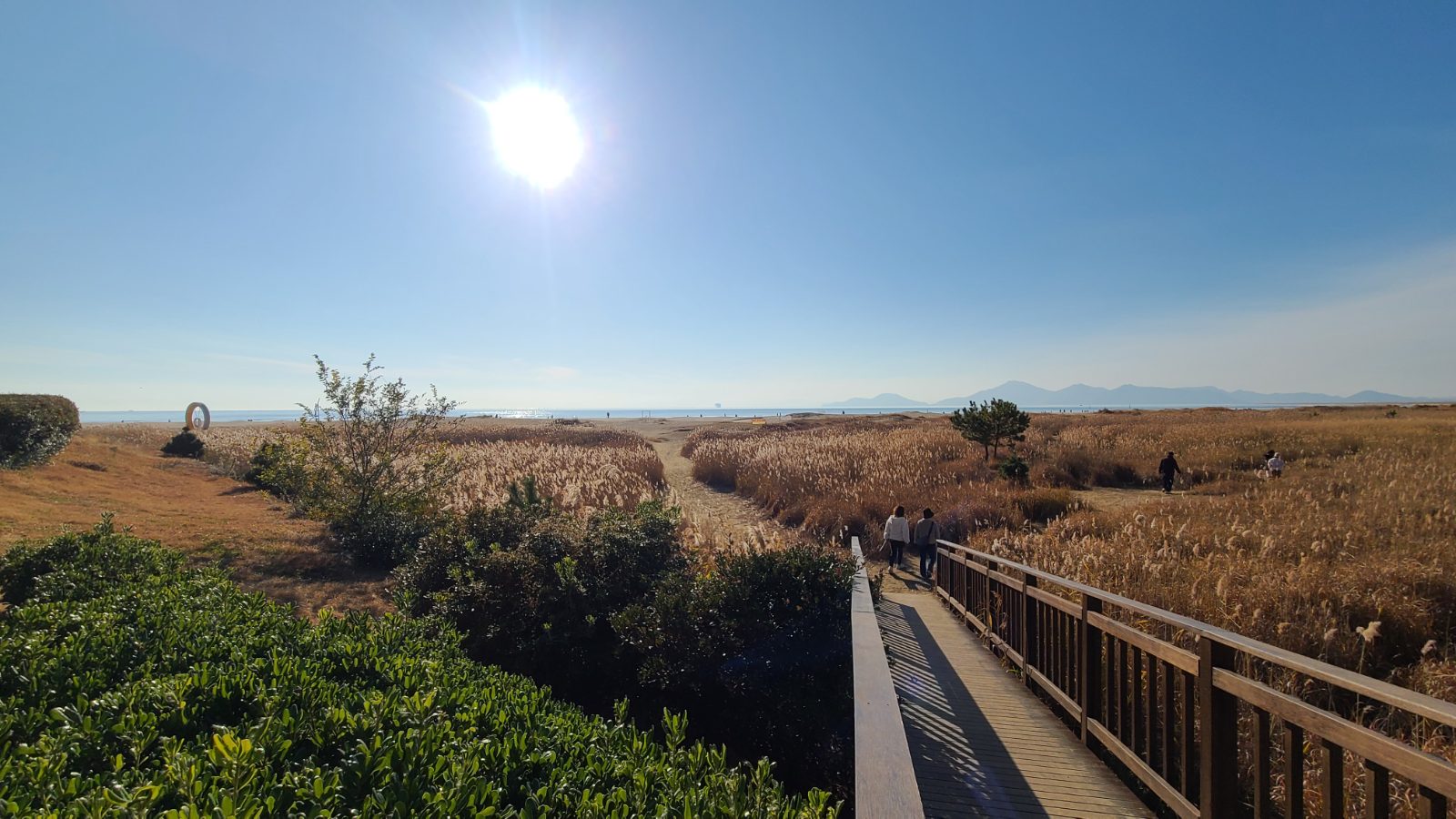
Give Jeju four days if it's your first time. Three works if you stay disciplined, and five lets you slow down or add a day of weather buffer. Spend most of that time on the east side (Seongsan, Udo, the coast roads), add one day on the west or south for sunsets and an Olle trail, and keep one flexible day for Hallasan or for rain.
If you don't drive, base yourself in Jeju City for the first half and in Seogwipo or the Seongsan area for the second. Do not try to see the whole island from one bed. Jeju is bigger than it looks on a map, and public buses on this island are slow in a way the Seoul metro never prepares you for.
How many days, honestly
- 2 days: only if you are tacking Jeju onto a Seoul or Busan trip. Pick one side of the island and stay put.
- 3 days: one east day (Seongsan plus Udo), one south or west day, one slack day. It's tight but fine.
- 4 days: the comfortable first-timer length. You can add a half-day hike or a long Olle stretch.
- 5 days or more: good if you want Hallasan, a lot of walking, or you're traveling in a season when the weather can cancel plans.
Flights from Seoul (Gimpo) and from Busan are short, so the real cost of Jeju is not the trip over. It's the transfers once you land. Plan around that.
East side vs west side
Most first-timers ask whether to choose one. You'll probably see both, but they feel different, so here is how I'd think about them.
| East | West | |
|---|---|---|
| Mood | Dramatic volcanic shapes, open coast, small fishing villages | Wide, soft, slower; sunsets and calm beaches |
| Highlights | Seongsan Ilchulbong, Udo, Seopjikoji, Gimnyeong and Woljeongri coast | Hyeopjae and Gwakji beaches, Hallim area, Sanbangsan, Suwolbong |
| Good for | Walking, cycling, sunrise, short ferry trip | Cafés, sunsets, easy afternoons |
| Without a car | Easier than people expect, especially around Seongsan | Spread out; plan fewer stops per day |
If you only have three days, go east first. The south coast around Seogwipo (waterfalls, Jungmun, the start of several Olle routes) fits between the two sides and works well as a bridge.
Seongsan Ilchulbong
The crater at Seongsan is the picture most people have of Jeju, and it earns it. The climb is short but steep, with stairs the whole way, so it suits most fitness levels if you take your time. Sunrise is popular, but it means a very early start from anywhere not within walking distance. If you're staying nearby, it's a lovely way to start a day. If you're not, a late-afternoon climb is calmer. Check opening times and any entry fee before you go, as both change.
The village around the base is small and walkable, with places to eat and a few guesthouses. It's the most practical base on the east side for a traveler without a car.
Udo (Cow Island)
Udo is a small island a short ferry ride from Seongsan port. It's easy to do as a half-day: ferry over, circle the island by foot, e-bike or small shuttle, eat something with peanuts in it (a local specialty), ferry back. Bring your passport or ID for the boat, as the ferry operators ask for it. Ferries can be delayed or cancelled in strong wind, so check the day's sailing status that morning and don't schedule Udo on the day you have a flight out.
Hallasan
Hallasan is the volcano in the middle of the island and Korea's highest mountain. For a first trip, treat it as a real hike, not a viewpoint:
- The two trails that reach the summit (Seongpanak and Gwaneumsa) are full-day, long walks with strict turn-around times. Check current rules and whether a reservation is required before you plan around them.
- Shorter routes such as Eorimok and Yeongsil stop short of the summit but still give you high-mountain scenery for a half day.
- Weather can be completely different at the top. Cloud, wind and cold arrive fast, even when Jeju City is sunny. Bring layers, real shoes and plenty of water.
- Trails can close for weather. Keep a spare day if Hallasan matters to you.
If you don't want to commit a day to it, skip the summit. The island has plenty of volcanic scenery at lower effort.
The Olle trails
The Olle trails are a network of numbered walking routes that loop around the island's coast and, in places, its inland hills. They are marked with blue and orange arrows and ribbons tied to posts and branches. You don't need to walk a whole route. Pick a pretty section of a few hours and take a bus or taxi back.
- East: Route 1 around Seongsan and Siheung is a good first taste, with sea, small hills and farm fields.
- South: Route 7 passes Oedolgae Rock near Seogwipo and has a lot of coastline.
- Southwest: Route 10 gets you Songaksan and the Sanbangsan area.
Check the official Olle information before you go. Routes occasionally change, and some stretches get closed or diverted. Remember that the route length on paper is longer than it feels on a hot or windy day.
Wind and rain
Jeju's name for wind is practically part of its identity. Even on a sunny day, the coast can be blowing hard. A few practical points:
- Bring a windproof layer even in summer. An umbrella is useless in a real Jeju gust. A light rain jacket works better.
- Late June to July is the rainy season (jangma). Many days are wet and grey. If you travel then, plan indoor stops (museums, cafés, markets) and keep walking days short.
- Late summer and early autumn can bring typhoons, which cancel flights and ferries. Check forecasts and keep a buffer day before an international flight.
- Spring (canola flowers, mild days) and autumn (clear air, silver grass) are the seasons most people mean when they say the best time to visit. Winter is quiet and cold-windy, but tangerine season has its own charm.
- If a day turns bad, shift your plan: the day you'd wanted for Udo or Hallasan becomes a museum or indoor day, and you try the outdoor plan the next morning.
How to base yourself if you don't drive
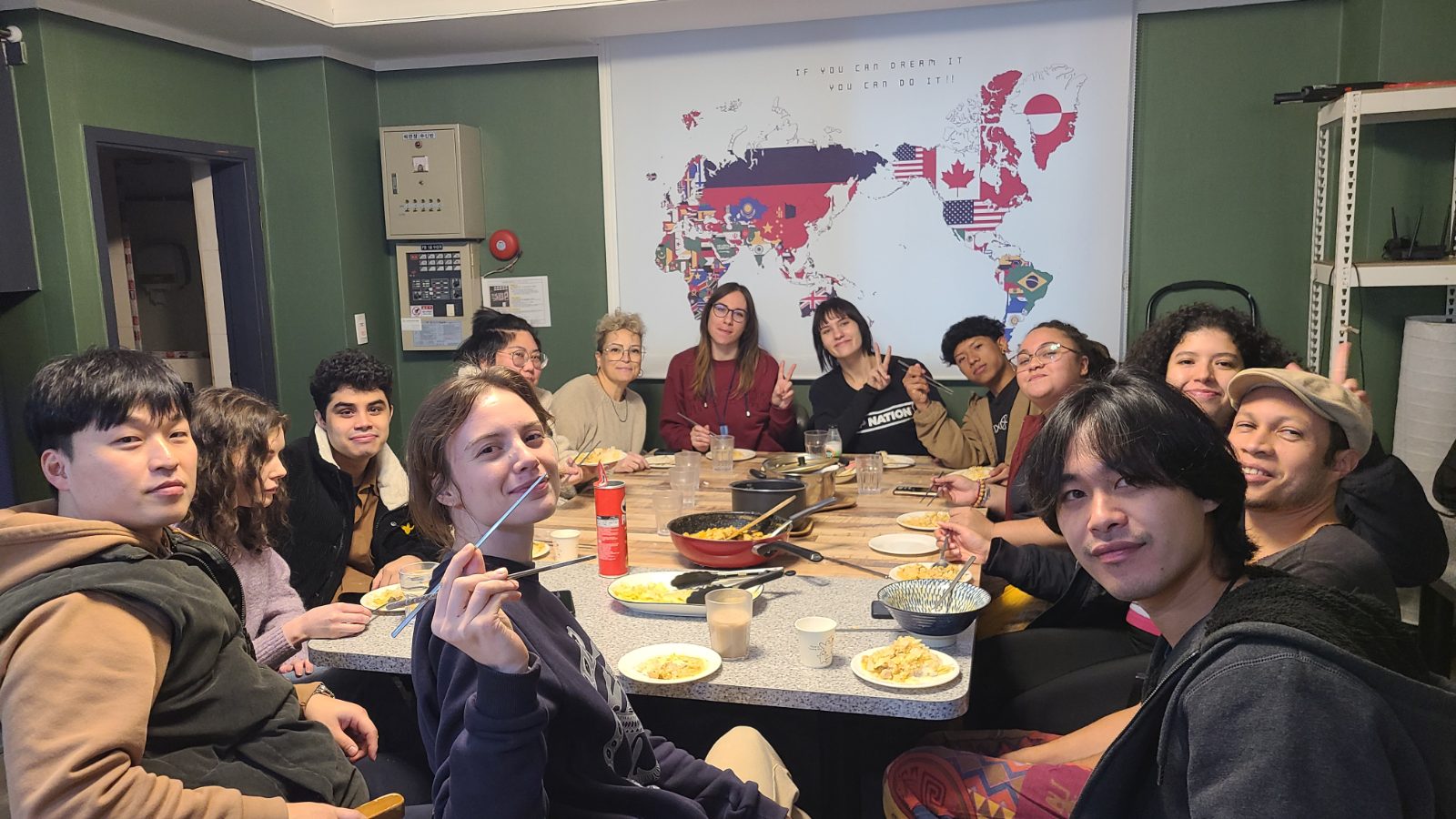
You can do Jeju without a car. You just have to accept fewer stops per day and plan around the bus network. A few ways to make it work:
- Jeju City (near the airport): the easiest first base. Restaurants, markets and nightlife are all within reach, and the airport and intercity bus terminal are close. Good for the first night or two.
- Seongsan / Gujwa area: best base for the east side. Walk to the crater, catch the Udo ferry, and cycle the coast. It's quiet in the evening, so bring your own plans.
- Seogwipo: best base for the south coast, waterfalls and Olle routes. Walkable and has a good evening scene. It's farther from the airport, so allow transit time on arrival and departure days.
- West side: lovely, but the most car-dependent. If you stay there, pick one town and do a small radius.
Moving around:
- Intercity buses run on the main coastal and cross-island routes. Check current route numbers and timetables on a map app, because the frequency can drop sharply outside the main hours. The island loop buses (the 201 and 202 are the numbers many travelers use) are useful for long hops.
- Taxis are worth it for short hops where buses are awkward. Some drivers offer a half-day or full-day hire. Agree on the price before you start.
- Bicycles and e-bikes are a good option along the east coast and around Udo, but not for long, windy inland stretches.
- Don't book your whole itinerary around last buses. Treat the final bus time as an actual hard limit.
A sample four-day plan, no car
- Day 1: Arrive, settle in Jeju City, an easy evening at a market or a seaside walk.
- Day 2: Bus east. Seongsan Ilchulbong, village lunch, a coastal walk. Stay near Seongsan.
- Day 3: Morning ferry to Udo, back by afternoon, onward to Seogwipo. If the wind is too much, swap with a south-coast day.
- Day 4: One Olle section near Seogwipo or a Hallasan trail if the forecast is clear, then back toward the airport with plenty of buffer.
Choosing a place to stay
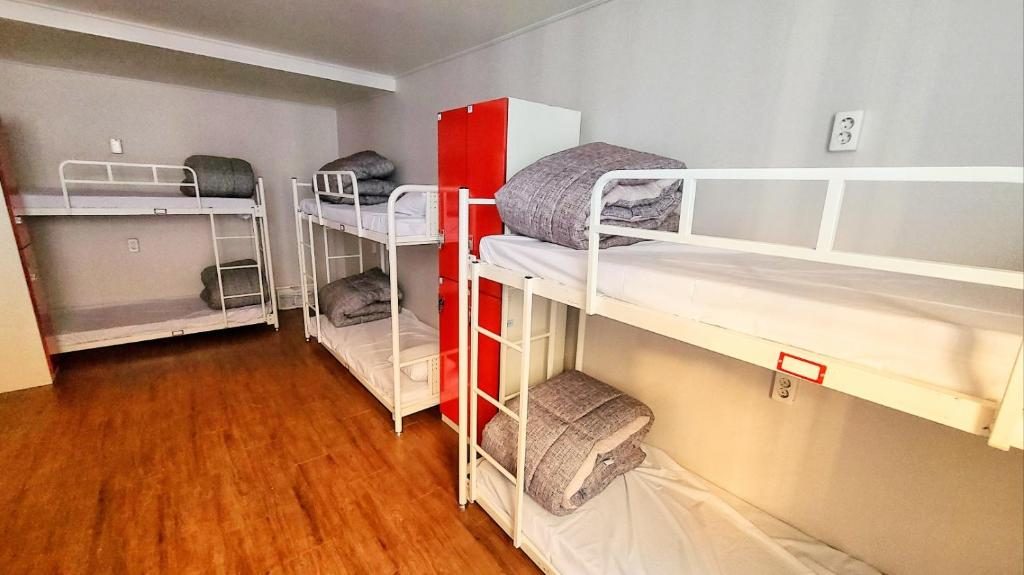
Pick the town first, then the room. For this plan you'd want one stay in Jeju City and one near Seongsan or Seogwipo, so you aren't doing long transfers with bags. You can search guesthouses and hostels on kimchee.live's stay finder. Check the location against a bus stop, not just the map pin, and check the cancellation policy shown on each listing, because weather can change your plans.
If you're traveling around Korea on the same trip, the blog has notes on Seoul and Busan, and the traveler lounge is a place to ask other travelers about current conditions before you go.
Before you go
- Check weather and wind the day before every outdoor plan, especially Udo and Hallasan.
- Confirm ferry times, trail rules and attraction hours, as they all change.
- Carry layers and a rain jacket in every season.
- Leave buffer on your departure day. If you're flying home internationally the next day, don't gamble on the island's weather.
Jeju repays slow travel. Pick a side, walk a bit, let the weather make some decisions, and it'll feel a lot bigger than four days.
Stay with us in Busan
Kimchee Busan Guesthouse is one minute from Beomnaegol Station and a short hop from Seomyeon. Book directly on kimchee.live — your reservation is confirmed the moment you pay.