
Seoul 3 Day Itinerary for First-Timers, by Neighborhood
A Seoul 3 day itinerary built around neighborhoods: palaces and Bukchon, Hongdae and Yeonnam, Seongsu, and Namsan at night, all by subway, with food stops.
The short version
Seoul is huge, but the subway makes it manageable if you stop trying to see "the city" and plan around one neighborhood at a time. For three days, this order works well: Day 1 palaces and Bukchon, Day 2 Yeonnam and Hongdae, Day 3 Seongsu by day and Namsan at night. Each block is a half day, with a meal or two built in, and none requires more than one or two subway rides.
This route skips the checklist approach. You won't see everything, but you won't spend your trip underground either. Think of it as a first-timer's skeleton that you can bend around your own jet lag, weather and appetite.
Before you start: a few practical things
- Transit card. Get a rechargeable transport card at a convenience store or station machine, and top it up as you go. It works on the subway and buses. Check current card options and where to buy them before you land, since these details change.
- Map app. Google Maps is fine for subway directions in Seoul, but its walking directions can be unreliable. Many travelers add Naver Map or Kakao Map for walking routes and restaurant listings.
- Palace days. The royal palaces each have a weekly closing day, and it isn't the same for all of them. Check the official palace pages for opening days, hours and ticket prices before you go. Don't plan a palace for a day it's closed.
- Footwear. Bukchon is steep, Namsan is steeper, and you'll walk more than you expect. Wear shoes you trust.
Day 1: Palaces and Bukchon
Morning: Gyeongbokgung
Take Line 3 to Gyeongbokgung Station and head to the main palace early. Mornings are calmer, the light is good on the main gate and halls, and you'll beat most tour groups. If you arrive in time, watch the guard-changing ceremony at the front gate, but check the schedule first since times and days vary. Give the palace a relaxed couple of hours. The grounds are large, and the back corners are the quietest.
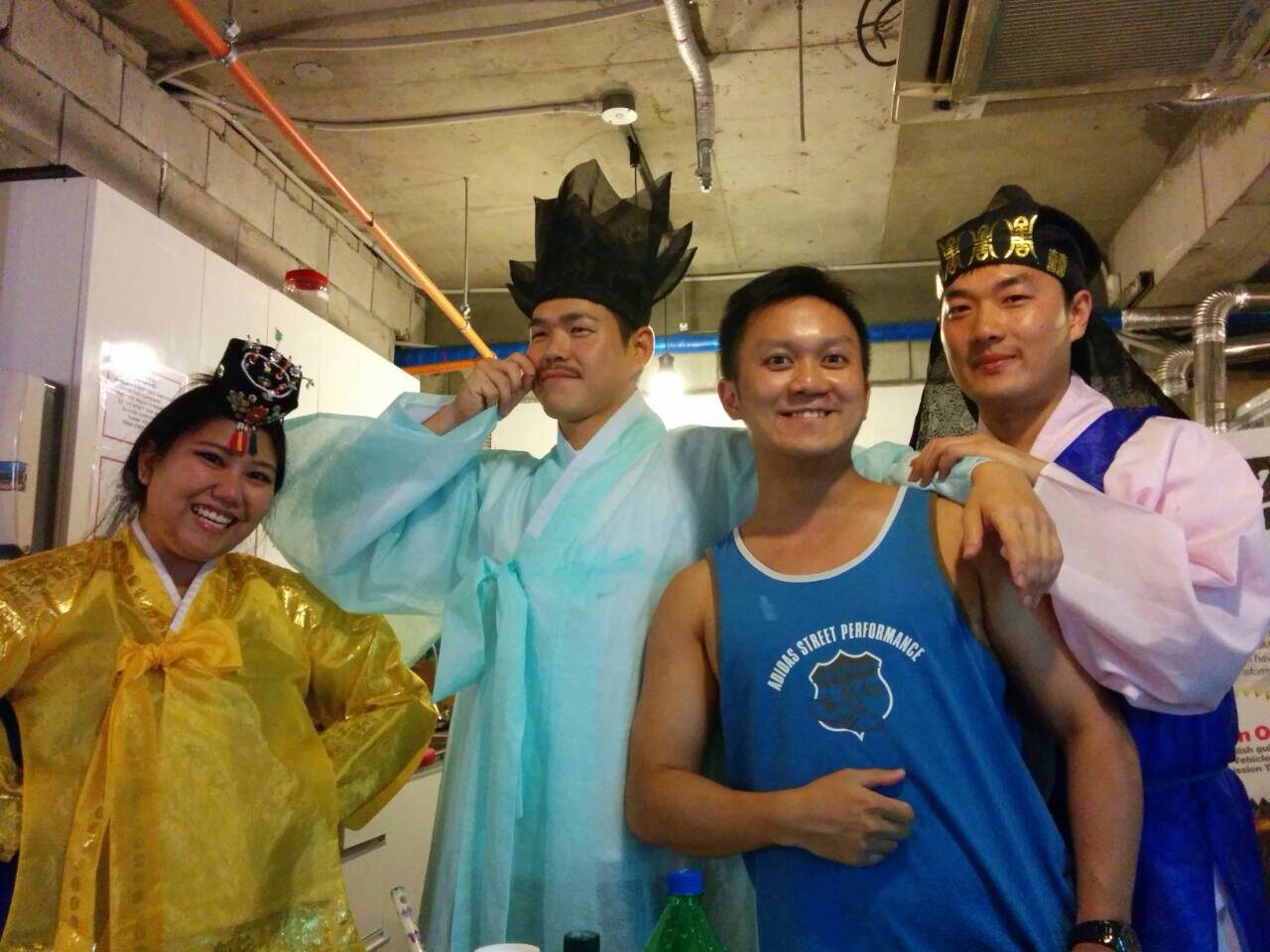
If you're curious about hanbok rentals, there are plenty of shops around the palace. Rules about palace entry for hanbok wearers have changed over the years, so confirm the current policy on the official site rather than relying on an old blog post, including this one.
Lunch: near the palace
You have a few easy options within walking distance. Tongin Market, west of the palace, is a traditional market where you load a tray with small items from different stalls using their coin system. Look up how it works before you go. Or find a bowl of samgyetang (ginseng chicken soup), a classic Korean comfort dish, in the neighborhood just west of the palace. Many restaurants there have long lines at peak lunch, so go a little early or a little late.
Afternoon: Bukchon and Samcheong-dong
Walk east from the palace toward Bukchon Hanok Village, a hillside of traditional houses overlooking the city. Bukchon is a real residential area, so keep your voice down, stay on the marked routes, and respect any signs about visiting hours. It's tempting to treat it as a film set, but people live there.
From the top, wander down toward Samcheong-dong for galleries, tea houses and cafés. Then continue to Anguk Station (Line 3) and Insadong or Ikseon-dong, a tangle of small alleys full of cafés and restaurants in renovated old houses. It's a good place to end the afternoon with coffee or dessert.
Evening: Gwangjang Market
For dinner, ride to Jongno 5-ga (Line 1) for Gwangjang Market. Its food stalls serve bindaetteok (mung bean pancakes), mayak gimbap, yukhoe (seasoned raw beef) and more. It's crowded and loud, which is part of the appeal. If you'd rather have a quieter meal, the streets around Jongno have plenty of grilled meat and stew restaurants.
Day 2: Yeonnam and Hongdae
Day 2 is a looser day. Hongdae gets going later than the palace district, so sleep a bit and start with brunch.
Late morning to afternoon: Yeonnam-dong
Go to Hongik Univ. Station (Line 2, the Airport Railroad and the Gyeongui-Jungang Line all stop here) and walk toward Yeonnam-dong. It's a calmer neighborhood than Hongdae proper, with small cafés, brunch spots, independent shops and the Gyeongui Line Forest Park, a long, narrow green strip built over a former rail line. It's a nice place for a slow walk with a coffee. Many places here are small and popular on weekends, so be ready to wait or to pick a backup.
Late afternoon: Hongdae
Walk over to Hongdae's main streets, near Hongik University. This is where you'll find indie shops, street performers (often in the evening, especially on weekends), cosmetics stores, vintage clothes and arcade-style entertainment. It's youthful, a bit chaotic and very walkable. Don't over-plan. Pick a direction and wander.
Dinner and night
For dinner, Korean barbecue is the obvious choice. Hongdae has plenty of options, from casual to trendy. If you're a solo traveler, look for places that seat one person. Some barbecue places require a minimum of two orders, and others are fine with solo diners. If barbecue isn't practical, jjigae (stew) places and dakgalbi (stir-fried spicy chicken) restaurants are good alternatives.
After dinner, you can keep going: live music bars, karaoke rooms (noraebang) and late-night street food. If you want to stay out until the first trains, Hongdae is where that happens. Check the last train time if you're heading home earlier, since it varies by line and direction.
Day 3: Seongsu, then Namsan at night
Late morning to afternoon: Seongsu-dong
Take Line 2 to Seongsu Station. Once a district of shoe factories and workshops, Seongsu is now known for converted warehouses, specialty coffee, pop-up stores, concept shops and design studios. It's compact enough to explore on foot, and the mix of old industrial brick buildings and new shops is the point.
Pop-up stores rotate frequently, so look up what's on before you go, and be aware that some require reservations or timed entry. Even without a plan, you can wander the side streets and find something interesting. Lunch is easy here: noodles, burgers, bakeries and Korean set meals are all within a few minutes' walk. Weekends bring crowds, so a weekday visit is calmer.
If you want a green break, the Seoul Forest park is close to Seongsu, and it's a good place to rest your legs between shops.
Early evening: A rest
Go back to your room for an hour or two. By day 3, your feet will appreciate it, and you'll want energy for the evening.
Night: Namsan and N Seoul Tower
For your last night, head to Namsan. The easiest approach is from Myeong-dong Station (Line 4), where you can take the cable car, or walk up from the area near Chungmuro or Hoehyeon. Cable car and tower details, including hours and prices, change, so check before you go. Walking up is possible, though it's a real climb, so it works better if you're feeling energetic.
Aim to arrive near sunset. You'll see the city in daylight, then the lights come on. The tower itself is optional. The view from the base and the surrounding terrace is already wide, and you can skip the observation deck if you're on a tight schedule.
On the way back down, Myeong-dong is right there for a late meal. It's very touristy, but it's convenient, and the street food is lively at night. If you want something more local, consider a quick ride to Euljiro for a pub in an old alley, or to Jongno for a late-night soup.
Where to base yourself
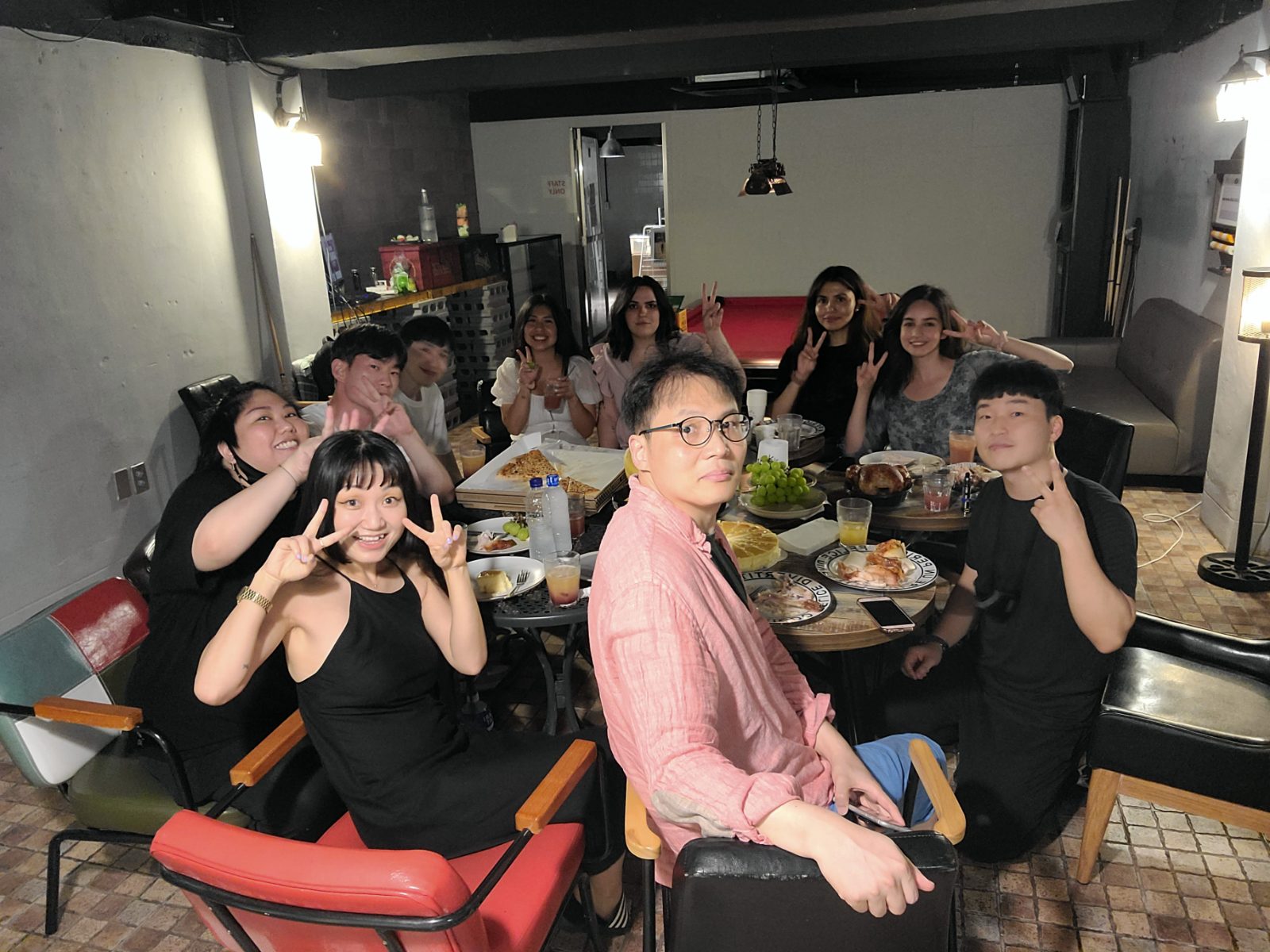
Seoul's subway is dense, so you don't need to sleep in the center. But your daily life is easier if you're near Line 2, which loops through Hongdae, Seongsu, Euljiro and other major areas. Hongdae and the Euljiro/Jongno area are both common choices for first-timers, depending on whether you want nightlife or a more central, quieter base. If you want to compare guesthouses and hostels that you can book directly, browse kimchee.live's stay finder and check dates and policies on each listing.
How to adjust this plan
- Rainy day. Swap outdoor stops for indoor ones. Seongsu's cafés and shops and the museums near the palaces work better in bad weather. Save Namsan for a clear evening.
- Only two days. Merge Day 2 and Day 3: do Yeonnam in the morning, Seongsu in the afternoon and Namsan at night, and skip Hongdae nightlife.
- Four days or more. Add a day trip, or spend a day on a different side of the city. Itaewon, Ihwa, or a walk along the Han River are all easy additions.
- Traveling slowly. Drop one block per day. You'll get more out of two neighborhoods done well than four done in a rush.
Final notes
Opening hours, ticket prices, closing days and last trains all change, and Seoul changes fast too. Cafés close, pop-ups rotate and routes get adjusted. Treat this as a framework and check the details a day or two before each stop.
If you're planning more of Korea, our blog has notes on other regions and on first-time guesthouse stays. And if you want to ask other travelers about their own Seoul routes, the traveler lounge is a good place to start.
Stay with us in Busan
Kimchee Busan Guesthouse is one minute from Beomnaegol Station and a short hop from Seomyeon. Book directly on kimchee.live — your reservation is confirmed the moment you pay.