
Where to Stay in Seoul for the First Time: 5 Areas Compared
Where to stay in Seoul first time? Compare Hongdae, Myeongdong, Jongno/Insadong, Gangnam and Seongsu by subway lines, budget, and guesthouse vs hotel.
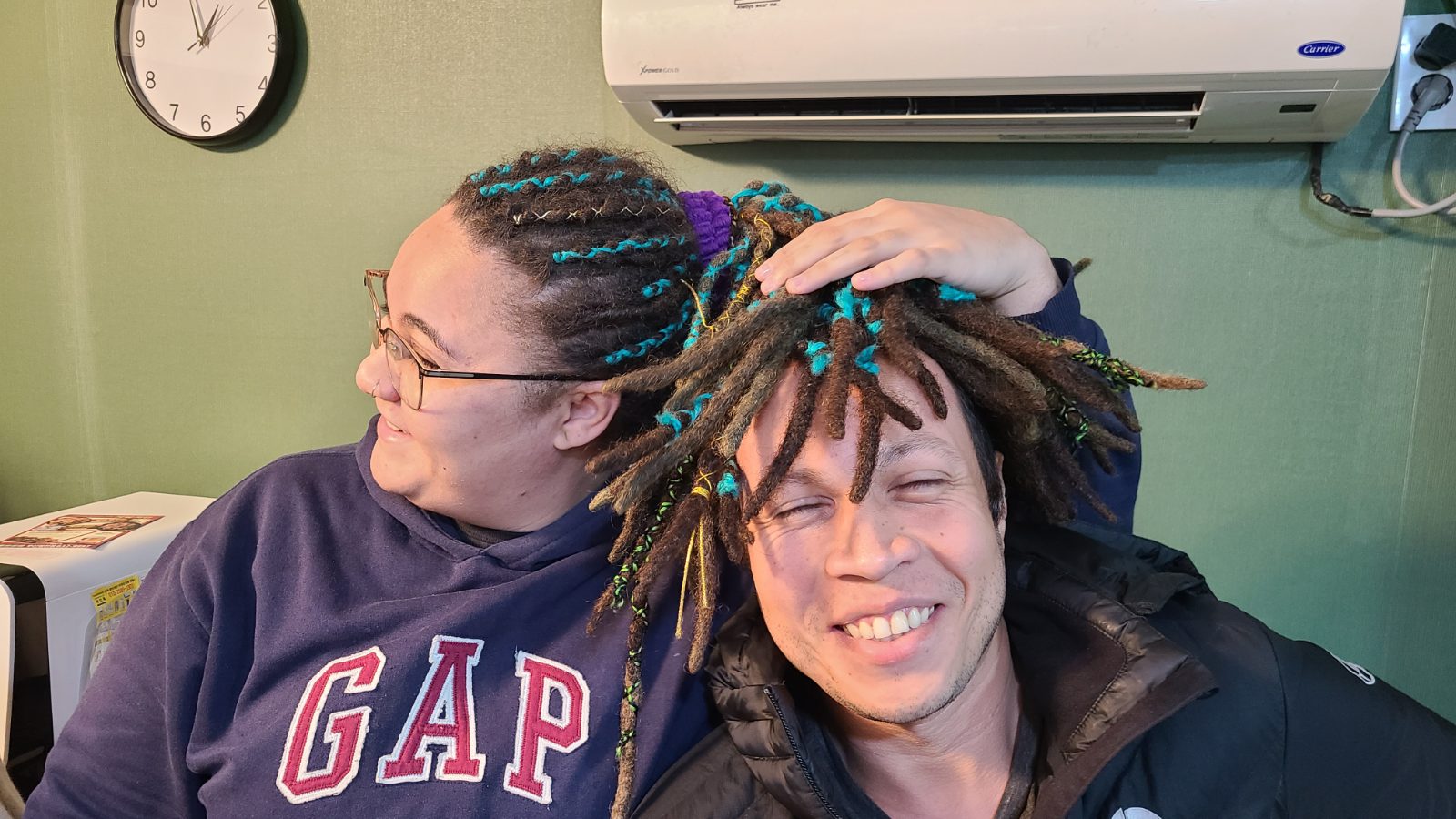
Short answer: for most first-timers, Hongdae is the easiest base if you want nightlife, cafes and a direct train from Incheon Airport. Myeongdong suits you if you want to land, drop your bag and be central with minimal planning. Jongno/Insadong is the pick for palaces and old Seoul. Gangnam works for business-style stays and the south side of the river. Seongsu is for people who care more about cafes, pop-up shops and slow walks than a checklist of famous sights.
Seoul is big, but the subway is so dense that the choice matters less than it feels like it does. What matters is which line you sleep on, how far you are from the airport train, and what you want your evenings to look like. Here is how the five areas compare, and what a guesthouse versus a hotel is usually like in each.
The quick comparison
| Area | Main lines | Best for | Evening feel | Typical lodging |
|---|---|---|---|---|
| Hongdae | Line 2, AREX airport train, Gyeongui-Jungang | Young travelers, solo travelers, nightlife, first-night arrivals | Busy and loud until late | Lots of guesthouses, hostels, small hotels |
| Myeongdong | Line 4 (also Line 2 at Euljiro 1-ga) | Short stays, shopping, easy orientation | Bright and crowded, quiet by late night in the side streets | Many hotels, a few hostels |
| Jongno/Insadong | Lines 1, 3, 5 (Jongno 3-ga, Anguk, Jonggak) | Palaces, hanok streets, traditional food | Calm early, lively around Ikseon-dong and Jongno alleys | Guesthouses, hanok stays, mid-range hotels |
| Gangnam | Line 2, Shinbundang, Line 9 nearby | Business trips, K-beauty and K-pop sightseeing, COEX area | Polished, nightlife-heavy, office-district feel | Mostly hotels |
| Seongsu | Line 2 (Seongsu, Ttukseom) | Cafes, pop-ups, Seoul Forest, return visitors | Relaxed, quiet after cafes close | Small boutique hotels, fewer guesthouses |
Prices change by season and date, so I won't quote numbers here. Check the dates you are actually traveling on, and read the cancellation policy on the listing before you pay.
Hongdae: the default for a reason
Hongdae sits around Hongik University Station. It is a student and indie-music neighborhood with street performers, bars, late-night food, vintage shops and a lot of places to sleep. The biggest practical win is transport: the AREX airport railroad stops here, so you can get from Incheon to your door without a transfer in many cases. Line 2 then runs straight to Sinchon, City Hall, Dongdaemun and Gangnam, and nearby Hapjeong and Sangsu are easy walks.
Guesthouse vs hotel: this is where Seoul's guesthouse scene is thickest. Expect dorms, private rooms with shared or private bathrooms, shared kitchens or lounges, and hosts who will point you to a good late-night restaurant. Hotels exist but are usually compact business-style rooms. If you are traveling alone and want to meet people, a guesthouse here is hard to beat for the social side.
Trade-offs: weekend nights are loud. If you sleep lightly, ask whether a room faces the street, and bring earplugs. It is also not close to the royal palaces. You will spend some subway time getting to Gyeongbokgung or Changdeokgung.
Myeongdong: central and easy, a bit commercial
Myeongdong is the area people picture when they imagine tourist Seoul: cosmetics shops, street food carts, department stores and signs in many languages. Line 4 runs through it, and Seoul Station (with the airport express and KTX high-speed trains) is close, which is useful if you are heading to Busan or elsewhere by train. Namsan and the Cheonggyecheon stream are walkable, and Euljiro, with its old print shops turned bars, is just beside it.
Guesthouse vs hotel: hotels dominate. They tend to be practical: clean rooms, front desks that speak English, luggage storage. Hostels and guesthouses exist in the surrounding alleys and toward Euljiro and Namdaemun, but there are fewer than in Hongdae.
Trade-offs: the main streets are crowded in the afternoon and evening, and it can feel more like a mall than a neighborhood. It is a good choice for a short first trip when you want the fewest decisions.
Jongno and Insadong: palaces, alleys and old Seoul
If your main reason for coming to Seoul is history, start here. Anguk Station (Line 3) puts you near Changdeokgung and Bukchon, and Gyeongbokgung is a short ride or walk away. Jongno 3-ga connects Lines 1, 3 and 5, which makes it a strong transfer hub. Insadong has tea houses and craft shops, Ikseon-dong has restored hanok alleys with cafes, and the markets and food alleys around Gwangjang are close.
Guesthouse vs hotel: this is the area for hanok-style stays, small guesthouses and mid-range hotels. A hanok room, with its floor bedding and wooden doors, is a memorable experience, but check the details: sound travels through traditional buildings, and some have steep steps or shared bathrooms.
Trade-offs: nightlife is lower-key than Hongdae, and some places wind down earlier. Insadong's main street gets tourist-heavy during the day, but it is quieter once you step into the side lanes.
Gangnam: the other side of the river
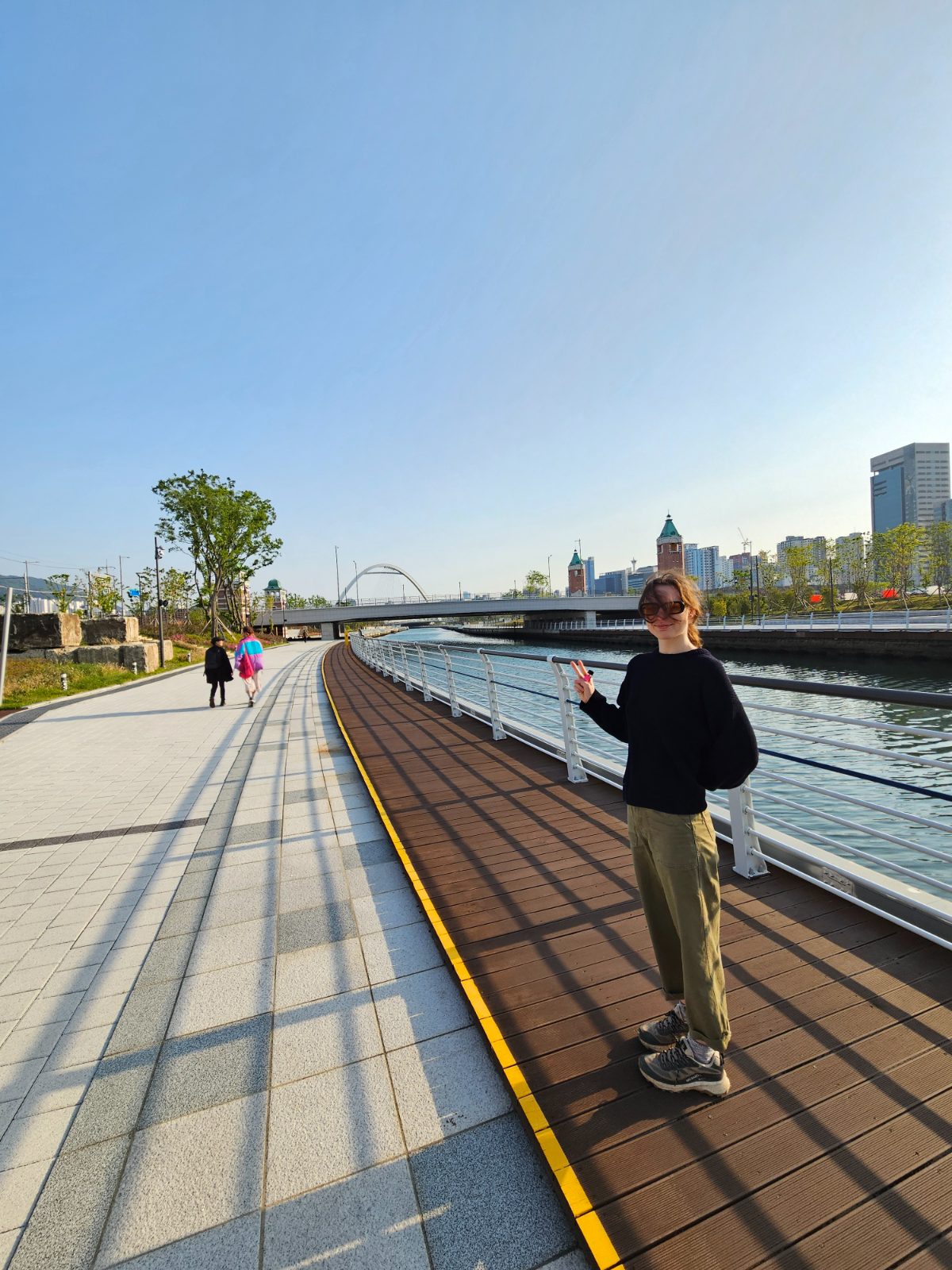
Gangnam is the Seoul of glass towers, clinics, K-pop agencies, big shopping complexes and polished nightlife. Gangnam Station is on Line 2 and the Shinbundang line, with Line 9 and the Bundang line close by for other connections. It is useful if you have meetings, are attending an event at COEX, or plan day trips by express bus from the Express Bus Terminal area.
Guesthouse vs hotel: mostly hotels, from business-style to upscale. If you want a guesthouse, you will find fewer options than in Hongdae or Jongno, so search early.
Trade-offs: it is a little removed from the old palaces and traditional Seoul. A trip to Gyeongbokgung takes real time on the subway. Gangnam is a good base for certain trips, but it is rarely the first choice for a leisure-focused first visit.
Seongsu: for cafes and slower days
Seongsu, in the east, is a former factory district turned cafe-and-pop-up area. The Line 2 loop stops at Seongsu and Ttukseom, and Seoul Forest is nearby for a green break. You will see converted warehouses, designer stores, roasters and bakeries. It works well if this is not your first time in Korea, or if you have already decided you would rather spend a day over cafes and shops than ticking off palaces.
Guesthouse vs hotel: options are smaller and more scattered than in Hongdae. Expect boutique hotels and a handful of stylish guesthouses. It is easier to book far ahead for weekends.
Trade-offs: weekends are crowded with people queuing for popular cafes, and evenings are calmer than in nightlife districts. You will need to commute to the main sights, though Line 2 makes that straightforward.
How to choose in 60 seconds
- Arriving at Incheon and want the easiest arrival? Hongdae (AREX) or Myeongdong/Seoul Station.
- Traveling solo and want people around? Hongdae, with a guesthouse or hostel.
- Mostly sightseeing for 2-3 days? Jongno/Insadong or Myeongdong.
- Planning KTX trips out of Seoul? Look near Seoul Station and Myeongdong, or along Line 4.
- Staying a week or more? Hongdae or Seongsu for more neighborhood life, with Line 2 as your backbone.
- Working or attending an event in Gangnam? Stay in Gangnam, or near Line 2 or Line 9 on a short ride.
Line 2 is the quiet hero
If you are stuck between areas, remember that Line 2 is a loop that touches Hongdae, City Hall/Euljiro, Dongdaemun, Seongsu and Gangnam. Staying on or near it keeps your options open when your plans change. Jongno and Myeongdong are not on Line 2 directly, but they are within a transfer or short walk of it.
Guesthouse or hotel in Seoul?
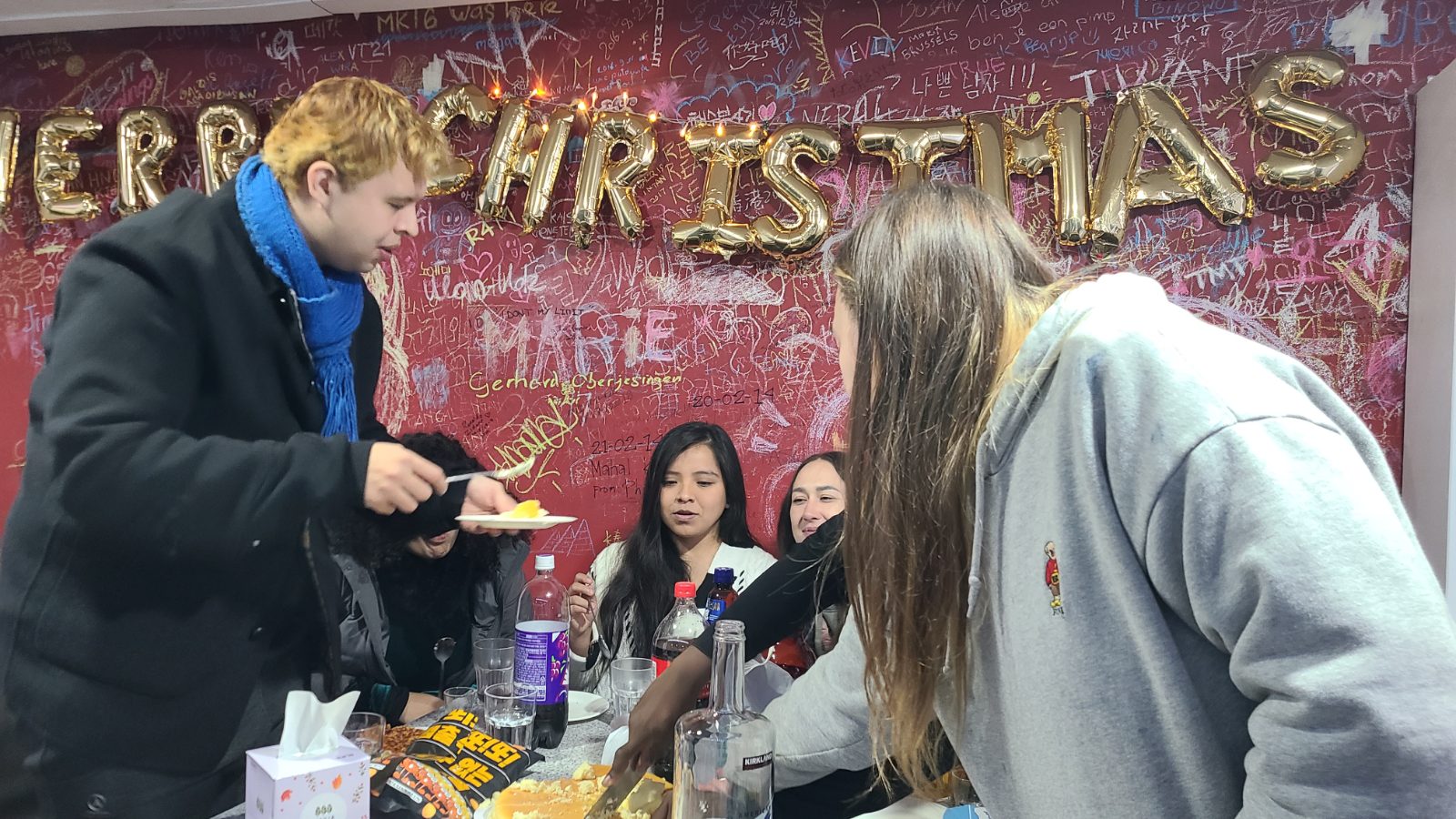
A guesthouse usually gives you a social atmosphere, a kitchen or lounge, and local tips from the people running it. It is often a good fit for solo travelers and backpackers, and a private room can work for couples. A hotel gives you privacy, a private bathroom, a front desk and often more predictable sound insulation. Neither is better in general. It depends on whether you want to meet people or switch off.
If you are trying a guesthouse for the first time, a few habits help: keep your voice down after late evening, use your locker, label your food in shared fridges, and check the room type (dorm, shared bath, private bath) before you book. You can find more first-timer advice on our blog, or ask other travelers in the traveler lounge.
Before you book
- Confirm the walking route from the nearest station exit. Some Seoul streets are steep, and a suitcase on a hill is a different experience.
- Check the check-in and check-out times if your flight is early or late. Many places can hold your luggage, but confirm first.
- Look at the last-train times if you plan to stay out late. They vary by line and day, so check before you go.
- Read the listing's cancellation policy. It differs by property and rate.
When you are ready to compare, browse guesthouses and hostels on kimchee.live, where you book direct with the property, without OTA fees, and pay by card or PayPal. Once booked, your reservation details and check-in information live in your account.
The bottom line
Pick Hongdae if you want energy and a simple airport ride, Myeongdong if you want central convenience, Jongno/Insadong for palaces and old streets, Gangnam for business or events, and Seongsu for a calmer, cafe-focused trip. Whatever you choose, you are never more than a few subway stops from the rest of Seoul, so don't spend too long on the decision. Pick the line, check the exit, and go.
Stay with us in Busan
Kimchee Busan Guesthouse is one minute from Beomnaegol Station and a short hop from Seomyeon. Book directly on kimchee.live — your reservation is confirmed the moment you pay.