
What to Wear in Korea in Winter: A First-Timer's Layering Guide
What to wear in Korea in winter: how cold Seoul, Busan and Jeju feel, how to layer, which shoes handle icy pavements, and what to buy after you land.
The short answer
For December to February in Korea, pack layers, not one giant coat: a thermal base layer, a warm mid-layer such as fleece or a light sweater, and a windproof outer layer that you can zip up on the street and take off indoors. Add a hat, gloves, a scarf, and shoes with real grip. That setup works in Seoul, Busan and Jeju, and it adapts when the weather changes mid-trip.
One caution: we are not going to promise exact temperatures, because winters here swing from week to week. Check the forecast for your actual dates a few days before you fly, and again the night before each travel day. What follows is how the cold actually feels, which is usually more useful for packing than a number.
How cold do Seoul, Busan and Jeju actually feel?
Seoul: dry, sharp, and the coldest of the three
Seoul is the one that surprises first-timers. The cold is dry and biting, and on some days a cold wind comes down from the north and makes it feel harsher than the forecast suggests. Mornings and late evenings are the hardest. Midday sun can feel pleasant if you are out of the wind. Palaces, Namsan and the Han River are open and exposed, so you will feel the wind there much more than in a narrow Hongdae or Euljiro street.
Busan: milder, but the sea wind finds you
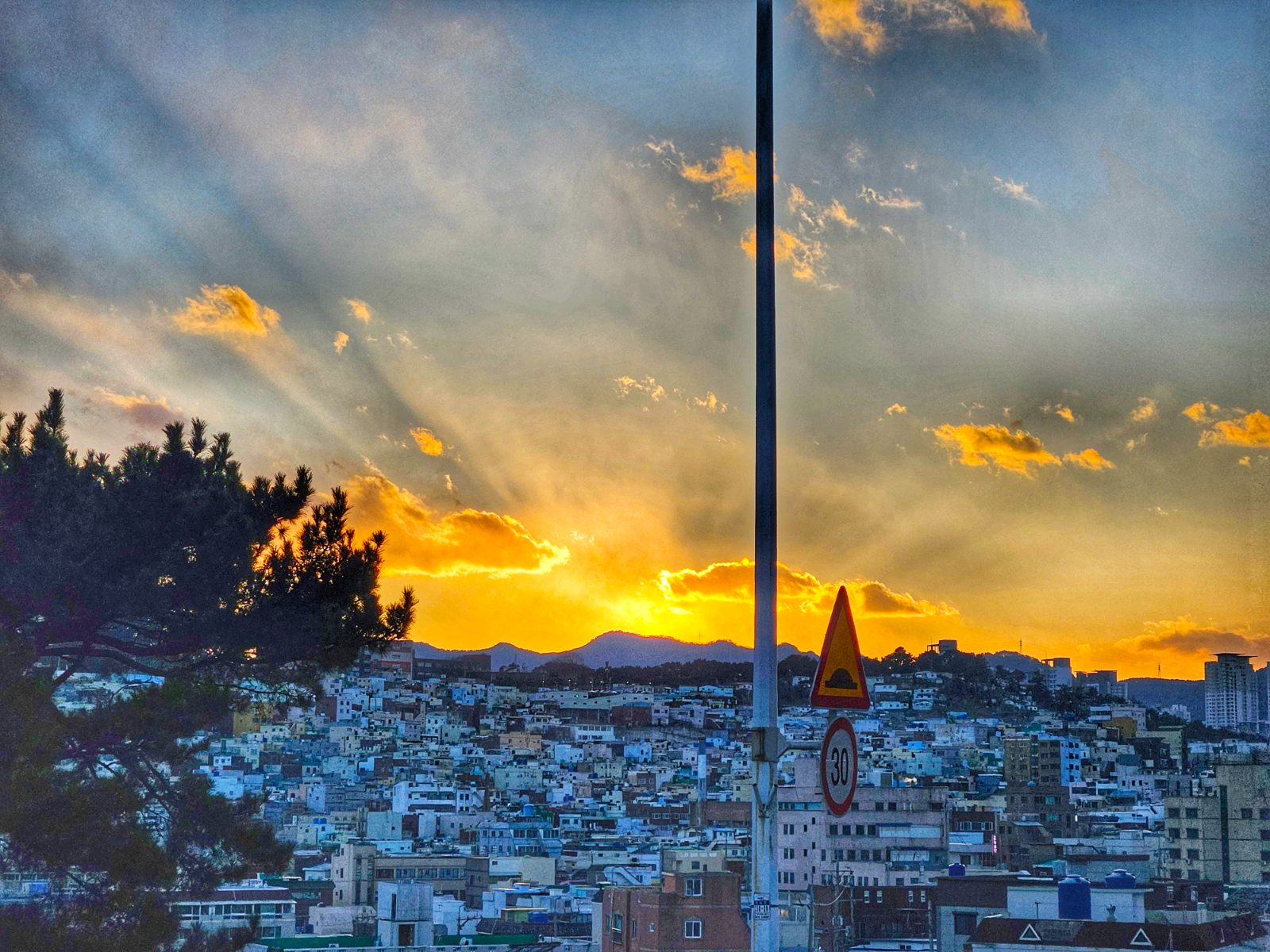
Busan is generally gentler than Seoul in winter, and snow in the city is not something to count on. But it is a port city, and wind off the water makes places like Haeundae beach, Gwangalli, Taejongdae and the Haedong Yonggungsa coastline feel colder than the number on your phone. If you plan to walk along the water, wear your windproof layer and bring a hat. Inside the city, around Seomyeon or Nampo, you can get away with a lighter setup.
Jeju: wind and unpredictability
Jeju is often milder than inland Korea, but it is windy, damp, and changeable. You can get sun, rain, and a cold gust in the same afternoon. A water-resistant shell matters more here than extra thickness. Higher ground, like the Hallasan area, is a different world from the coast, with its own weather and conditions that can affect access. Check trail and road status before you go instead of assuming anything is open. If you are flying to or from the island, also keep a buffer in your schedule, because winter weather can disrupt flights.
Layering instead of one heavy coat
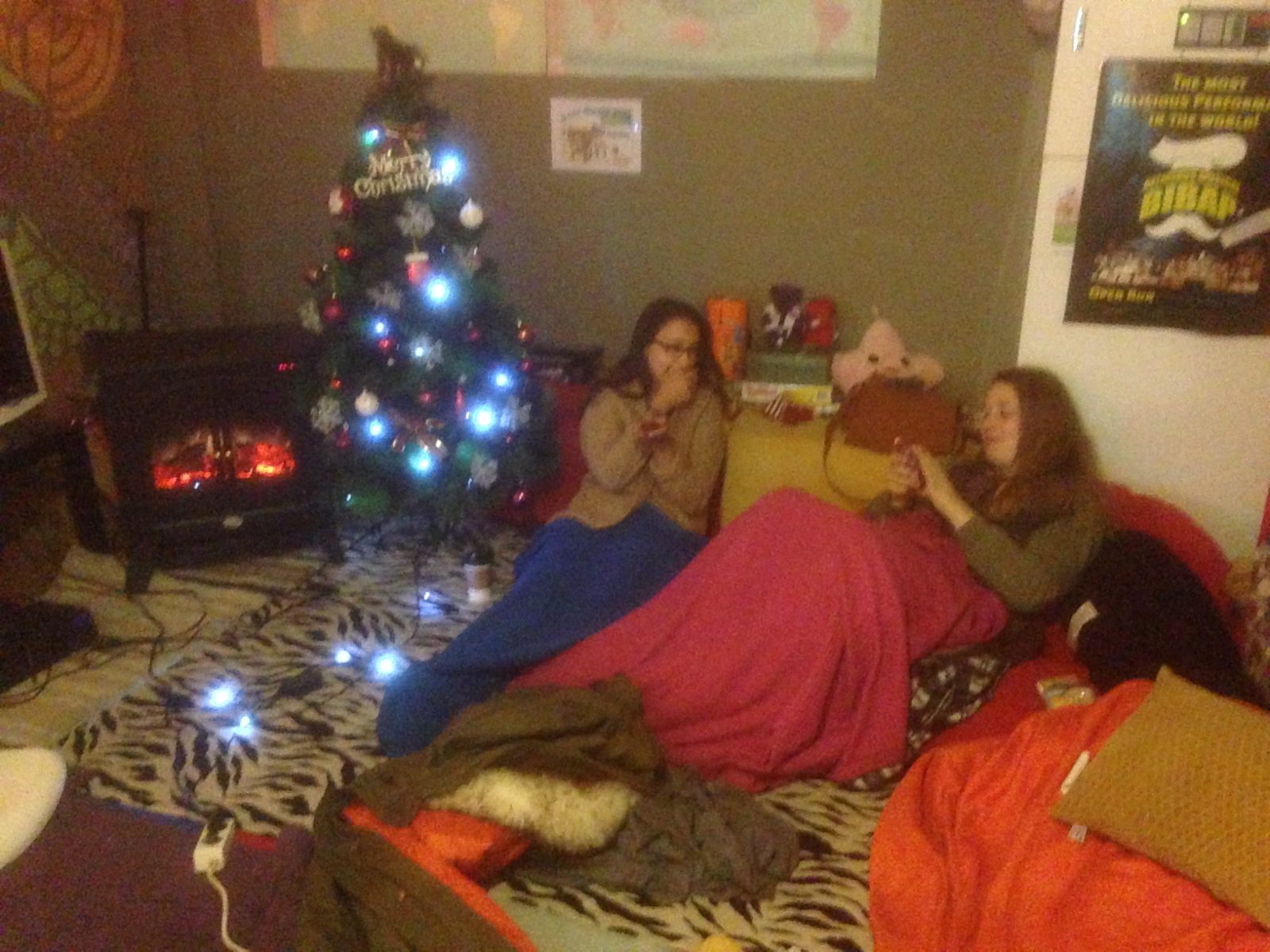
Korea in winter is a constant switch between cold streets and very warm indoor spaces. Subways, cafes, shopping malls, restaurants and buses are often heated generously. A single huge parka looks right at the airport and becomes a burden in the first cafe. Layers solve this.
- Base layer: thin thermal top and leggings or thermal underwear. Merino or synthetic both work. Skip cotton if you expect to sweat on stairs or hills.
- Mid-layer: fleece, a light wool sweater, or a thin down vest. This is the layer you adjust most.
- Outer layer: windproof, ideally water-resistant, long enough to cover your hips. A light-to-medium down jacket or a shell with a liner is plenty for most travelers.
- Accessories: a beanie, a scarf or neck warmer, and gloves. Gloves that let you use a touchscreen are handy because you will constantly check maps and translation apps.
Practical tip: choose a bag or coat with enough room to stash a layer. You will be taking things off and putting them on all day, especially when you move between subway platforms, which can be drafty, and the train itself, which is often warm.
Heated floors and warm indoors
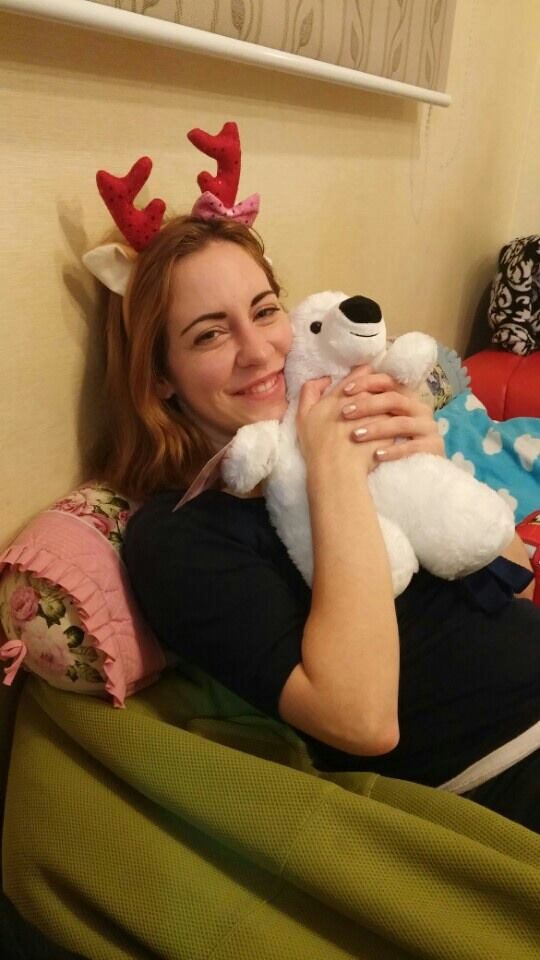
Traditional Korean homes use ondol, underfloor heating, and many modern buildings still use a version of it. In practice, if you stay in a Korean-style room or a place where you sit on the floor, the floor can be pleasantly warm, and sleeping near it is comfortable. It also means that indoors you may be wearing much less than you expect.
This is why a cozy base layer plus a sweater often beats a thick coat that you cannot take off. Bring something comfortable to lounge in: socks, a light long-sleeved shirt, and thin pants. Many restaurants with floor seating will ask you to remove your shoes, so wear clean socks without holes. Warm socks are one of the most underrated things to pack.
Heating can also make the air dry. Lip balm, hand cream and a little moisturizer make a real difference after a few days, especially in Seoul.
Shoes for icy pavements
Snow is not guaranteed, but cold nights can leave patches of ice, especially on shaded sidewalks, steps, hillside lanes and around bus stops after melted snow refreezes. Seoul neighborhoods like Bukchon, Ihwa and parts of Haebangchon are hilly. In Busan, Gamcheon and many residential lanes climb steeply. Jeju has wet, windy walkways near the coast.
- Best choice: waterproof boots or sturdy sneakers with a deep, grippy rubber sole.
- Avoid: smooth leather soles, canvas shoes, and flat fashion sneakers with little tread. They are the ones that slip.
- Socks: bring a few pairs of wool or thermal socks. Wet cold feet will ruin a day faster than a thin jacket.
- Walking style: shorten your steps, keep your hands out of your pockets on slippery stretches, and take extra care on tiles, metal plates and station steps when wet.
If you plan to hike in winter, whether in Bukhansan, Seoraksan, or on Jeju, bring proper footwear, and check conditions and any restrictions before you go. Some routes can require extra traction in icy conditions. Local shops near trailheads often sell or rent suitable gear, but do not count on it.
What you can simply buy after you land
Do not overpack for the cold. Korea is very easy for buying winter basics, and you may enjoy shopping for them anyway.
- Thermal underwear and warm basics: Uniqlo and other clothing chains in Seoul and Busan have warm base layers. Check prices in store.
- Hats, gloves, scarves, socks: Daiso, street stalls, underground shopping arcades, and clothing shops sell these everywhere.
- Hand warmers: convenience stores, pharmacies and Daiso often carry disposable heat packs. They are very popular in winter and are good for pockets, gloves, or tucking inside your jacket on long outdoor days.
- Skincare and lip balm: Olive Young stores are everywhere and carry plenty of moisturizers and lip care.
- Umbrella or rain jacket: convenience stores sell simple umbrellas, helpful in Jeju or Busan if the weather turns.
- Padded jackets: department stores, outdoor brand shops and big shopping districts such as Myeongdong, Dongdaemun and Seomyeon have many options if you realize you underpacked.
So the strategy is simple. Bring your essentials: good shoes, a windproof jacket and a couple of base layers. Then fill the gaps after you arrive instead of bringing a second suitcase of knitwear.
A simple packing list for December to February
- 2 to 3 thermal base layers
- 2 mid-layers (fleece, sweater, or similar)
- 1 windproof or water-resistant outer layer
- Warm pants, plus a pair of thermal leggings or long underwear
- Hat, gloves and scarf
- Warm socks, plenty of them
- Waterproof or high-grip shoes
- Lip balm, hand cream, and moisturizer
- A small day bag for stashing layers
- A power bank, since cold weather can drain phone batteries faster
Plan around the cold, not against it
A few small itinerary choices make winter in Korea more comfortable:
- Do outdoor sights in the middle of the day, and save evenings for food, cafes, markets and warm indoor spaces.
- In Seoul, mix outdoor places like palaces with indoor options such as museums, department stores and covered markets.
- In Busan, leave coastal walks for sunnier hours and keep Seomyeon, Nampo and indoor markets as backup.
- In Jeju, keep a flexible plan, and consider museums, cafes and indoor attractions for wet or very windy days.
- Winter is also a great time for hot soup, grilled food, street snacks, and a visit to a bathhouse or jjimjilbang. Check local etiquette and opening hours before you go.
Choosing where to stay in winter
In cold months, a few practical things matter more than usual: proper heating, somewhere to dry damp clothes, laundry access, and a location close to a subway station so you are not walking far in the wind. If you are still deciding where to sleep, you can compare guesthouses and hostels across Korea on kimchee.live, where you book direct with the place itself.
If Busan is on your route, our own Kimchee Busan Guesthouse is about a one-minute walk from Beomnaegol Station on Line 1, and Seomyeon is one subway stop away. There is a laundry room, a shared kitchen and lounge, and personal lockers, which is handy when you are layering and want to wash or dry a few things between days out. Prices depend on dates, so enter yours on the listing page to see what is available.
Once you have booked, your reservation details, directions and check-in information live on your account and in My Stay, which is useful when you are standing outside in the cold and do not want to dig through emails. For more practical notes before your trip, browse the blog, or ask other travelers in the traveler lounge.
The bottom line
What to wear in Korea in winter comes down to a few ideas: layers over one heavy coat, wind protection, grippy shoes, and clothes you can peel off in warm indoor spaces. Seoul is usually the coldest and driest, Busan is milder but windy on the coast, and Jeju is about wind and changing weather. Check the forecast close to your dates, pack the essentials, and buy the rest locally. Then enjoy the part of winter in Korea that people do not talk about enough: stepping from a cold street into a warm room with a bowl of something hot.
Stay with us in Busan
Kimchee Busan Guesthouse is one minute from Beomnaegol Station and a short hop from Seomyeon. Book directly on kimchee.live — your reservation is confirmed the moment you pay.