
Busan in Winter: Mild Weather, Hot Springs and Markets
Busan in winter is milder than Seoul, with hot springs, steaming street food, busy markets and thinner crowds. Here's how to plan it, what to pack and where to go.
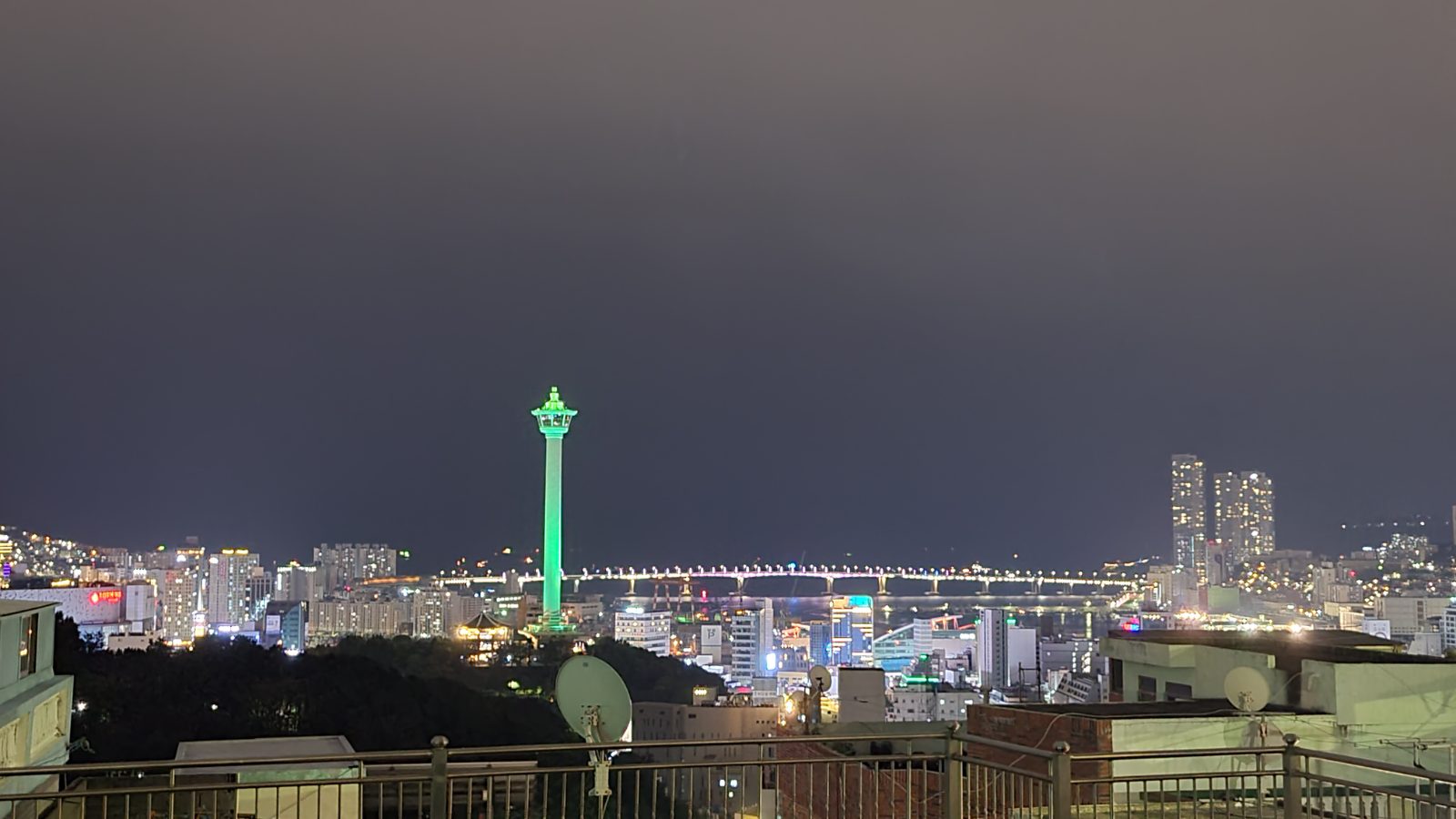
Short answer: yes, Busan in winter is worth it. It's colder and windier than summer, but it's one of the milder places in Korea in January. It's also dry and usually bright, and the beaches, temples and markets are much quieter than in July or August. If you like walking, eating hot food and ending the day in a hot bath, winter suits Busan better than most people expect.
This is a practical guide from the point of view of someone who lives here. It covers what the weather is really like, what to do, how to move around, and what to pack so the sea wind doesn't ruin your day.
What winter weather in Busan is actually like
Busan sits on the south-east coast, and the sea keeps winter softer than it is inland. Seoul and the mountain regions get the deep freezes. Busan gets cold mornings and evenings, often around freezing at the coldest stretch of the season, and afternoons that feel almost kind when the sun is out. Snow happens, but it's usually light and short-lived, and many winters give you very little. Check the forecast a few days before you travel, because cold snaps do arrive.
The thing to plan for is wind, not temperature. On Haeundae Beach, along the Gwangalli waterfront or on the cliffs at Taejongdae, a stiff sea breeze makes a mild day feel sharp. Inside the city, between buildings and in markets, it's far more comfortable. Winter is also much drier than the summer rainy season, so you're less likely to lose a day to a downpour.
Why it's underrated
- Fewer crowds. Outside the New Year and Lunar New Year (Seollal) periods, beaches, viewpoints and temples are calm. You can walk the Gamcheon alleys or the Haeundae promenade without queuing for photos.
- Food that fits the season. Fish cake soup, hot hotteok, steaming stews and seafood markets all make more sense when your hands are cold.
- Hot springs and bathhouses. Busan has one of Korea's best-known hot spring districts, and a long soak after a windy day is the reason many people come back in winter.
- Clear air and long coastal views. Winter light on the water is crisp. Sunrise walks are easier when sunrise isn't at 5 a.m.
- Easier logistics. Trains, cafés and restaurants are less pressured, and rooms are often simpler to find than in peak summer. Still, book early around holidays.
Hot springs and bathhouses: the main winter plan
The classic choice is Dongnae Oncheon, the hot spring area around Oncheonjang Station (Line 1 and Line 4). The area has a long bathing history, and you'll find large bathhouses and smaller neighborhood ones. Hurshimchung is the best-known large complex. Go in the late afternoon, soak, eat nearby, and take the subway back. Hours and entrance fees change, so check them before you go.
Another option is a jjimjilbang, a Korean bathhouse with hot pools, saunas and shared lounge areas. Spaland, in the Centum City area, is the one many visitors know. A few notes if it's your first time:
- Gendered bathing areas are fully nude. Bring a small towel and wash thoroughly before entering any pool.
- Tattoos are treated differently at different places, so check the venue's rules before you go.
- Most places give you a loose uniform to wear in the shared lounges.
- Keep your phone in a locker. Photos are not allowed in the bathing areas.
If you're on a budget, a bathhouse visit is one of the better-value things you can do on a cold afternoon. Prices vary, so look at the current listing.
Markets that are better in cold weather
Busan's markets run through the whole year, and winter is when they feel most alive.
Jagalchi and Nampo
Take Line 1 to Jagalchi Station or Nampo Station. Jagalchi is Korea's best-known fish market, with live tanks and sit-down restaurants upstairs. Winter seafood is a good reason to go, and staff can tell you what's in season. Ask the price before you order and be clear about the portion size. Right next door, Gukje Market, Bupyeong Kkangtong Market and the Nampo-dong streets are a short walk away.
Bupyeong Kkangtong Market
This is the one for street food after dark. Eat your way through, starting with the fish cake and the sweet seed-filled pancakes (hotteok) that Busan is known for. The market is a short walk from Jagalchi and Nampo. Evening stalls and hours vary, so check before you plan a late visit.
Eomuk (fish cake)
Fish cake is a Busan specialty, and a skewer in hot broth is one of the cheapest, warmest snacks you can have. The Yeongdo area has a fish cake history, and some visitors make a special trip there. Even if you don't, you'll find eomuk stalls in nearly every market and station area.
A few winter dishes to look for
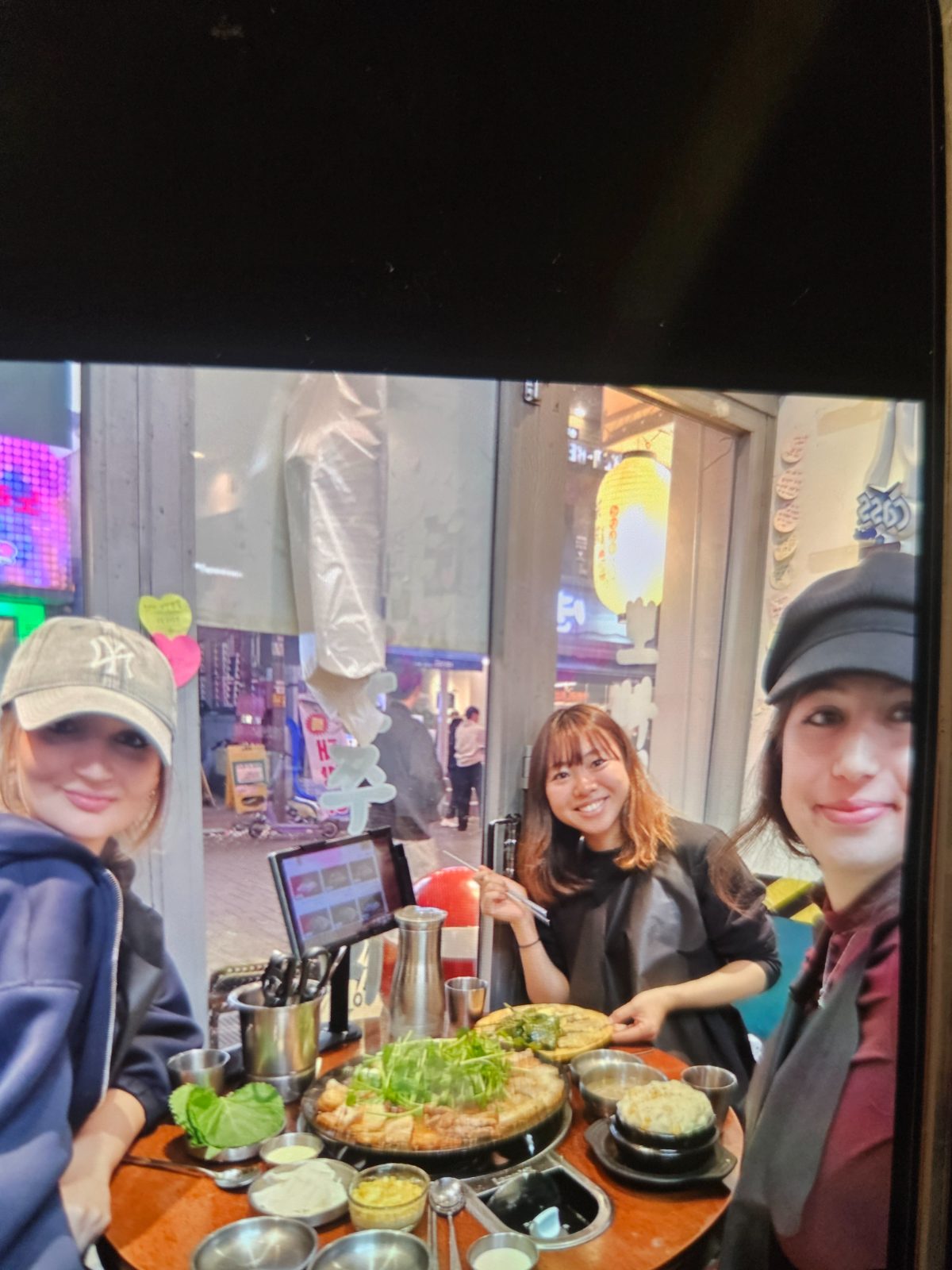
- Eomuk and broth in markets and street stalls.
- Hotteok: a hot filled pancake, especially around Nampo and Gukje Market.
- Daegu-tang or other fish stews: a warm, clean-tasting bowl popular in cold months.
- Dwaeji gukbap: pork and rice soup, a Busan classic that's especially good on a cold day.
- Milmyeon: Busan's wheat noodles, usually served cold. Locals eat it in winter too, and some say that's the real way.
- Dongji patjuk: red bean porridge eaten around the winter solstice in Korea.
Where to go beyond the markets
- Haeundae and Dalmaji Hill. Line 2 gets you to Haeundae easily. Walk the beach, then climb the cafe-lined slope toward Dalmaji. Winter sea views are clear and the cafés give you a warm place to stop.
- Gwangalli. Take Line 2 to Gwangan Station. The Gwangan Bridge lights up at night, and it looks good in clear winter air.
- Haedong Yonggungsa. This seaside temple is a good fit for a cold, bright morning. It's on the east side of the city, so check bus options before you leave and go early.
- Taejongdae and Yeongdo. For dramatic cliffs, dress in more layers than you think you need.
- Gamcheon Culture Village. Fewer people means easier walking, but hills can be icy on a cold morning, so wear shoes with grip.
- Gyeongju day trip. The ancient Silla capital is a day trip from Busan. Winter is quiet there too.
Winter events, such as lights along Gwangbok-ro, beach illuminations and New Year's sunrise gatherings, change from year to year. Search for the current schedule before you go rather than relying on last year's dates.
The crowded exceptions
Busan is quiet in winter except for two periods. Christmas to New Year, especially around the sunrise viewpoints on January 1, gets busy. Seollal (Lunar New Year, in late January or February depending on the year) means busy trains and expressways, and some small restaurants and shops close for a few days. Check the dates when you plan, book trains early, and have a backup meal plan.
What to pack for Busan in winter
- A windproof outer layer. It's worth more here than a thick one.
- Thin layers you can take off, because buildings, subways and bathhouses are warm.
- Hat, gloves and a scarf. The sea wind finds every gap.
- Shoes with grip. Busan is hilly, and frosty slopes get slippery.
- Lip balm and hand cream. The air is dry.
- Disposable heat packs. You can buy them at convenience stores and pharmacies. They're cheap and make a long evening outdoors easier.
- A small bag for bathhouse gear, if you plan to visit one.
Getting around in winter
Busan's subway handles most of what visitors want. Line 1 runs north-south through Busan Station, Jagalchi, Nampo, Seomyeon and Dongnae. Line 2 runs through Seomyeon, Gwangan and Haeundae. Use a transit card and avoid long waits for buses in the cold when a subway route exists. For fares, use a current transit app or station signage, since prices change.
Since the days are shorter, plan outdoor sights in the morning and early afternoon. Save markets, bathhouses and cafés for after dark.
Where to stay for a winter trip
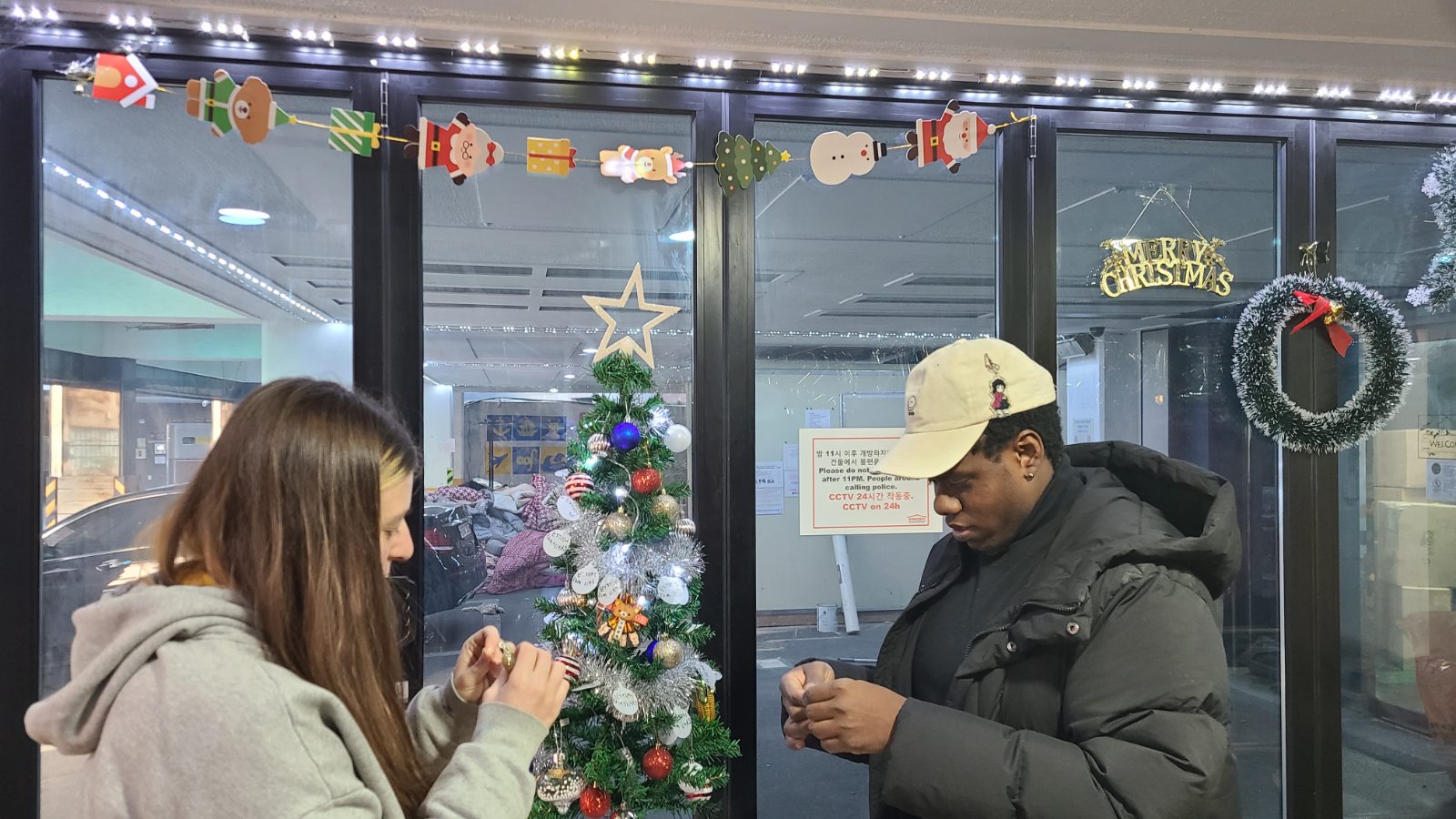
For a first winter trip, pick a base that's on the subway and near food. Seomyeon works well because Line 1 and Line 2 meet there, and there's plenty of food and nightlife. You can reach the beaches and Busan Station without transfers worrying you. If you're comparing options, you can search by date on our stay finder.
One option in that area is the Kimchee Busan Guesthouse, run by the people behind kimchee.live. It's in Beomcheon-dong, a one-minute walk from Beomnaegol Station on Line 1, and Seomyeon is one stop away. There are private rooms and dorms, a shared kitchen, a lounge, a laundry room, personal lockers and Wi-Fi. After a day outside, the lounge is a good place to warm up and trade tips with other travelers. Check-in is at 16:00 and check-out at 12:00, so if you arrive early after a long flight or train, ask about leaving your bags. Prices change by date, so enter your dates on the guesthouse page and check the cancellation policy shown on the listing before you pay.
If you want ideas from other travelers or want to ask a question before you go, try the traveler lounge. More Busan planning notes are on the blog.
A simple three-day winter plan
- Day 1: Nampo and the markets. Take Line 1 to Jagalchi. Walk through the fish market, then Gukje Market and Bupyeong Kkangtong. Eat street food, then have a seafood dinner.
- Day 2: Coast and temple. Visit Haedong Yonggungsa in the morning, then Haeundae and Dalmaji for the afternoon. Finish at Gwangalli for the bridge lights.
- Day 3: Hot spring day. Visit Gamcheon or Taejongdae in the morning, then go to Oncheonjang in the afternoon. Soak, eat, and head back.
Winter in Busan isn't the season of beach days and festivals. It's quieter and more local, and it has better food and hot water. If you pack for wind, check opening hours before you go and stay near a subway line, you'll likely find it's one of the easiest times to enjoy the city.
Stay with us in Busan
Kimchee Busan Guesthouse is one minute from Beomnaegol Station and a short hop from Seomyeon. Book directly on kimchee.live — your reservation is confirmed the moment you pay.