
T-money Card Korea: Where to Buy, Top Up and Get Your Balance Back
T-money card Korea guide: T-money vs Cashbee vs Seoul Climate Card, buying and topping up with cash, bus transfers, taxis, and refunding leftover balance.
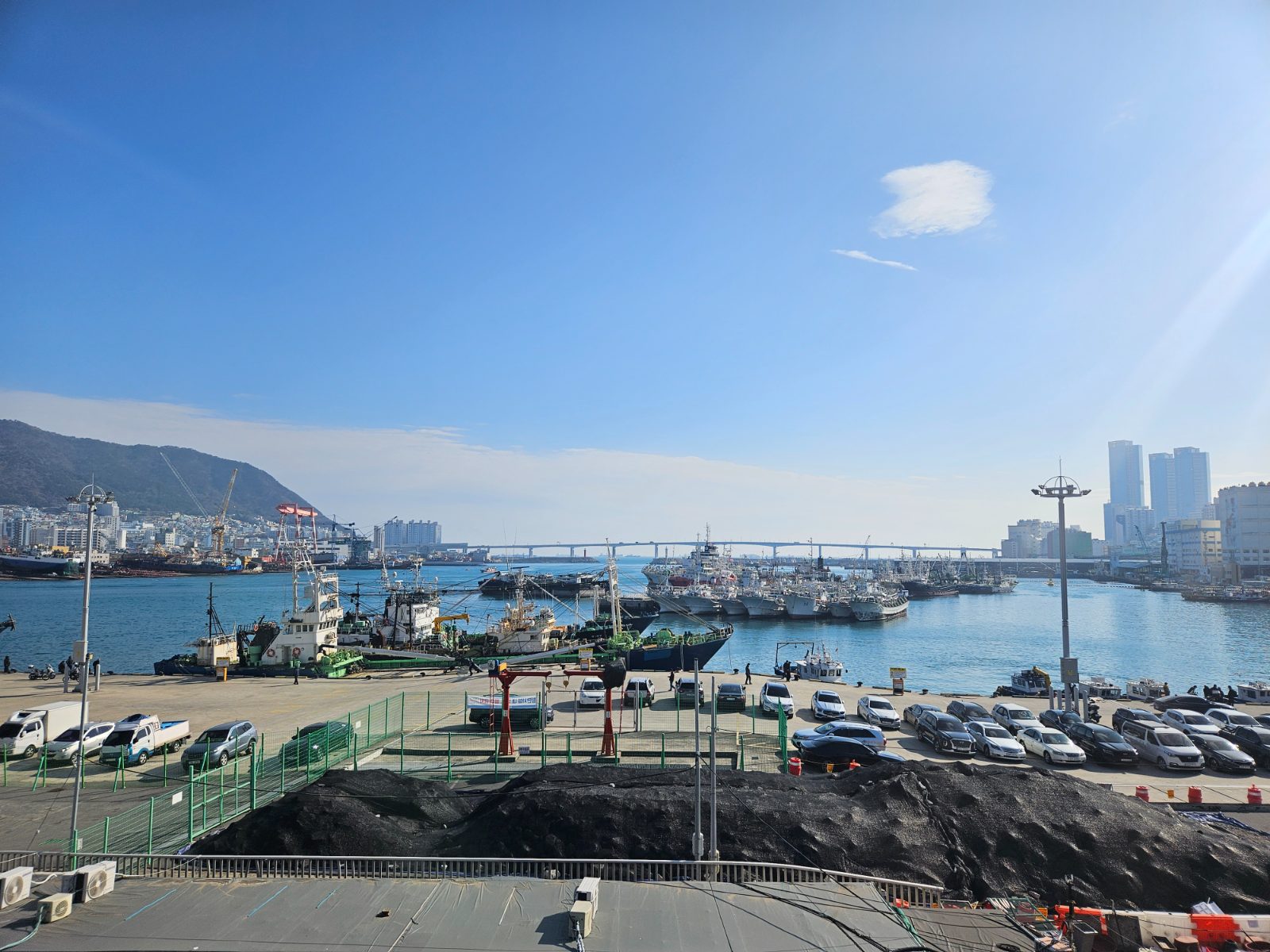
Short answer: buy a T-money card at a convenience store soon after you land, load it with cash, and tap it on subways and city buses in Seoul, Busan, Jeju and most other Korean cities. Many taxis and convenience store registers take it too. Cashbee is a near-identical alternative. The Seoul Climate Card is something else: an unlimited-ride pass that only pays off if you will ride a lot inside Seoul. Below: how each one works, where to get it, and how not to get stuck with leftover balance at the airport.
A note first: fares, card prices, refund limits and fees all change. I have left numbers out on purpose. Check current figures at the counter, on the machine, or on the official card websites before you rely on them.
T-money, Cashbee and the Climate Card: what is the difference?
| Card | What it is | Good for |
|---|---|---|
| T-money | Rechargeable prepaid card, the default across the country | Subway, city buses, many taxis, convenience stores, use in several cities |
| Cashbee | A similar prepaid transit card from a different company | Works in much the same places as T-money; fine if it is the one on sale near you |
| Seoul Climate Card | Time-limited unlimited-ride pass for Seoul transit | Heavy daily subway and bus use within Seoul |
For most travelers, T-money is the simple choice. You load money, each ride deducts the fare, and the same card follows you from Seoul to Busan to Jeju. Cashbee behaves almost identically, so if a shop only has Cashbee, don't worry. You will be fine in the places most visitors go.
The Climate Card is not a general-purpose wallet. It is a pass for a set number of days, built around Seoul's subway and city buses. Before buying, check exactly what it covers, where it is sold, and what falls outside it. Airport express trains, intercity buses and rides that run well beyond the city may not be included. A rough count helps: if you plan only a few rides a day, a normal T-money card is probably simpler. If you will zig-zag across Seoul from morning to night, for example Hongdae, then Seongsu, then Jongno, the pass may be worth it. Compare against current prices before you decide.
Where to buy a T-money card and top it up with cash
- Convenience stores (CU, GS25, 7-Eleven, emart24): the easiest option. Look for the T-money logo near the door or register. Say "T-money card" and tell the clerk how much to load.
- Airport shops and kiosks at Incheon, Gimpo, Gimhae and Jeju. Stock and machine locations vary by terminal, so follow the signs after customs.
- Subway stations: many have machines or booths for buying and topping up. Machines usually take cash and have an English menu.
Topping up works the same almost everywhere. Hand the card and cash to the clerk, or use a station machine, and the balance is added within seconds. Top-ups usually come in round amounts, so load a small buffer rather than the bare minimum. If you are in a city for only a day or two, start modest. You can always add more.
Online purchase and top-up options often expect a Korean payment method or a Korean phone, so plan on cash and a physical card for your first day. If you hear about phone-based versions, check whether they work with a foreign phone and foreign cards before you count on them.
Subway and bus: tap in, tap out, and transfers
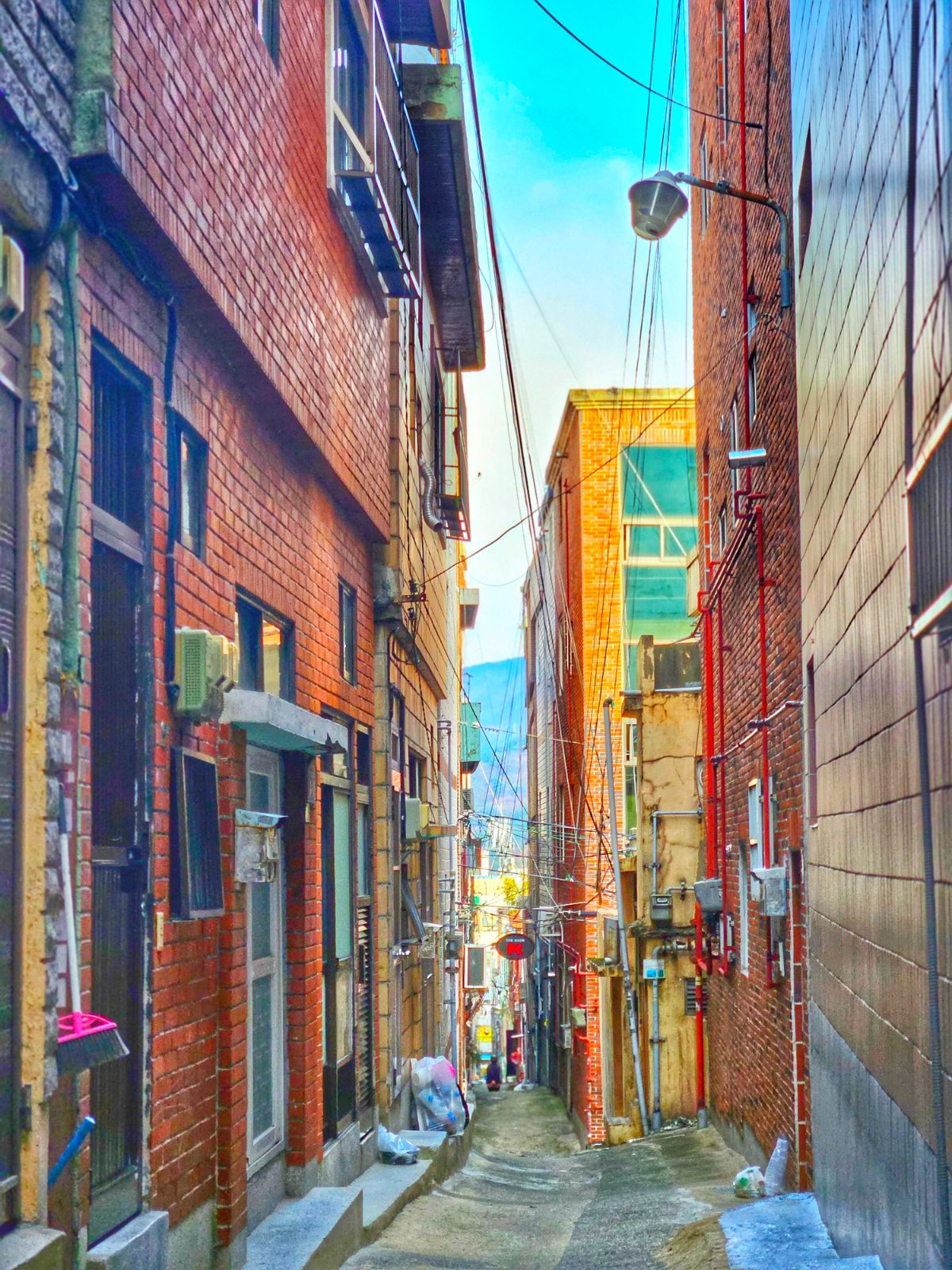
The rule that saves money is simple: tap when you get on and tap when you get off. Subway gates handle this automatically. On buses, there is a reader at the front door and usually another near the rear exit. Tap at the exit reader too. In the Seoul metropolitan area, fares are distance-based, and a bus-to-subway (or subway-to-bus) transfer can be combined into one trip if you transfer within a time window and tap out properly. If you forget to tap out, you may be charged a higher fare on the next ride.
The exact transfer time limits and discount rules are set by the transit authorities and change, so check the current rules on the station signage or the official site. Transfers between different cities or regions can follow different rules than within Seoul.
- Seoul: subway lines are numbered and color-coded, and the system links with city buses. Tap, ride, tap.
- Busan: the subway, city buses and the light rail to Gimhae Airport are all part of everyday travel. T-money works across them.
- Jeju: there is no subway. You will rely on buses, taxis or a rental car. Check which bus types take the card, since some airport or tourist routes have their own payment setups.
If the balance on the card is too low, the gate will reject you or the bus reader will beep with an error. On a bus, that is awkward, so top up before long rides.
Paying for taxis and convenience stores
Many regular taxis display a T-money or card sign near the windshield or on the door. Tell the driver you will pay by card, or tap the reader when you arrive. Not every taxi has a working reader, so keep a small amount of cash as a backup. Foreign credit cards are often accepted in taxis as well, but that depends on the driver's terminal.
At convenience stores, you can tap T-money at the register for snacks, drinks and small purchases. It is handy when you want to spend down the balance at the end of your trip. Ask the clerk first if it works for what you are buying, as practices vary between stores and chains.
Getting the balance back before you fly home
This is where people get caught. Prepaid cards keep your leftover balance, and getting it out takes a bit of planning.
- Spend it down first. Ride the subway to the airport, buy a drink or a snack at a convenience store, and use up what you can.
- Check the refund rules. T-money and Cashbee both have refund procedures. Limits, fees and the places that handle refunds can differ by card and by store. Look up the current rules on the card's official site or ask at the counter.
- Do it before the last minute. Some refund points are at convenience stores or kiosks, and may not be open or stocked at every airport terminal. Plan on doing it before security, and don't leave it for a rushed final hour.
- Keep the card. If you will visit Korea again, the same card usually still works later. A small leftover balance may not be worth the hassle of a refund.
Bring cash for the refund in case, and keep the card itself with you. If something goes wrong with a refund, you will need the physical card.
Cards, planning, and where to stay
Your transit card is only one part of moving around Korea. Intercity trains and express buses often have their own booking systems, and it is worth checking what is accepted where. For a first trip, a good routine is: card on day one, top up as needed, spend it down in your last days, then refund or keep.
When you plan your route, pick a base close to a subway station. In Busan, for example, the guesthouse Kimchee Busan is a one-minute walk from Beomnaegol Station on Line 1, and Seomyeon is one stop away. That makes a T-money card easy to use from your first morning. Search dates and options for other cities on the stay finder, and see your confirmed bookings in your account.
For more practical Korea notes, browse the blog, or ask other travelers in the traveler lounge how the card worked for them recently.
Quick checklist
- Buy T-money (or Cashbee) at a convenience store or airport shop.
- Load cash, with a small buffer.
- Tap in and tap out on every bus and subway ride.
- Keep some cash for taxis with no card reader.
- Consider the Climate Card only for heavy Seoul-only days.
- Spend down or refund the balance before you leave. Confirm current rules first.
Stay with us in Busan
Kimchee Busan Guesthouse is one minute from Beomnaegol Station and a short hop from Seomyeon. Book directly on kimchee.live — your reservation is confirmed the moment you pay.