
Hostel Dorm Etiquette: Unwritten Rules for a Better Stay
Hostel dorm etiquette for Busan and Korea trips: lights, bags, alarms, snoring, and the small habits that keep a shared room easy for everyone.
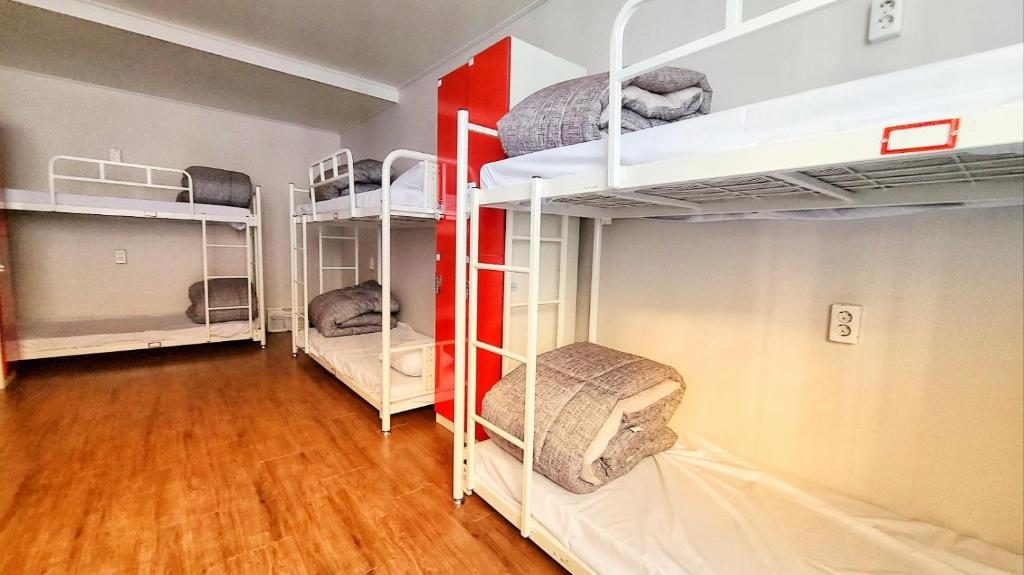
The short answer: pack quiet, move quiet, sleep considerate
If you're about to stay in a dorm room for the first time — in Busan or anywhere — the whole thing comes down to one idea: four to ten strangers are trying to sleep, work, or get ready on completely different schedules, in the same small room. None of the actual rules are written down anywhere. You just have to guess them, or someone tells you after you've already annoyed a roommate at 2am. This post is the version someone should have told you.
None of this is complicated. It's mostly about light, sound, and space — and about noticing that your convenience at 11pm might be someone else's alarm clock going off at the wrong time.
Lights: use your phone, not the switch
The single biggest source of dorm friction is someone flipping the overhead light on at midnight to find their charger. If you're moving around after most people are settled in — which in a mixed dorm can be any time after 10 or 11pm — use your phone's flashlight on a low setting, pointed down, not the room's main light. Most beds have a small reading light clipped to the frame or headboard; that's there for a reason, use it instead of the ceiling light even in the early evening if others are already lying down.
The flip side matters too: if you're an early riser heading out for a sunrise walk along Gwangan or an early train from Busan Station, get dressed in the bathroom or hallway, not standing over your bed rummaging through a bag with the lights on.
Bags and lockers: pack the night before
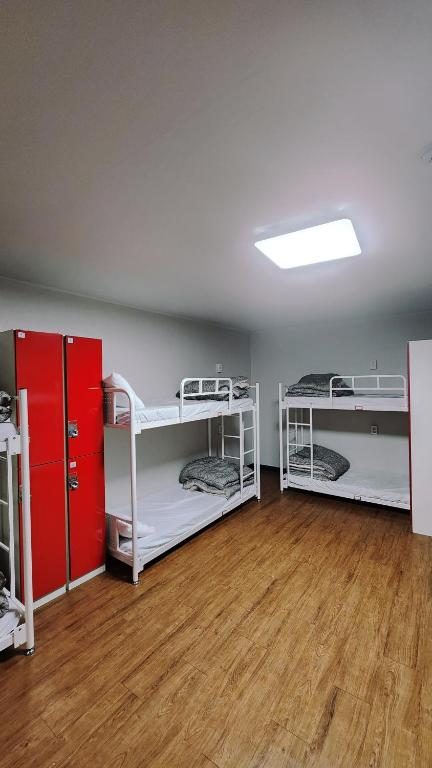
Zippers are loud, and repacking a full backpack at 6am sounds like a small landslide to someone trying to sleep off a late night in Seomyeon. Do your packing and re-packing during the day, or at least by the time lights are meant to be out. Lay out what you need for the morning — clothes, charger, day bag — somewhere you can grab it without unzipping the whole pack.
Use the locker if the room has one, even for stuff you think is safe. It's not really about theft; it's about not having your backpack sprawled across the floor in everyone's way, and not needing to dig through it at odd hours because you can't remember which pocket has your passport.
Alarms: one buzz, then it's off
This one is simple and non-negotiable: if your alarm goes off, silence it immediately — don't let it snooze three times while you fumble for your phone in the dark. Keep your phone under your pillow or right next to your head so you can reach it fast. If you've got an early flight or an early KTX to catch, a vibrate-only alarm or a smartwatch on your wrist is worth it just for this trip.
And if you're the type who needs a loud alarm to actually wake up, that's fine — just be the first one dressed and out, so the disruption is short.
Snoring, earplugs, and just being realistic
Someone in almost every dorm snores. That's not a design flaw of hostels, it's just what happens when you put six or eight adults in a room. Bring earplugs — cheap foam ones from a convenience store or pharmacy work fine, and you'll find GS25 or CU stores within a few minutes' walk of almost anywhere you're staying in Busan. An eye mask helps too, since dorm rooms rarely have blackout curtains and someone's screen light or an early riser's headlamp will show up eventually.
If you know you snore loudly yourself, there's no need to announce it to the room, but a bottom bunk near the door or away from the main cluster of beds (if you get to choose) is a quiet courtesy.
The rest of it: small stuff that adds up
- Headphones for everything — calls, videos, music. Even at low volume, sound travels more than you'd expect in a room with hard floors and bunk frames.
- Top bunk climbing — do it slowly and expect the frame to creak; try not to use the next bed's rail to pull yourself up unless it's your own.
- Charging cables — bring your own; don't unplug someone else's phone to charge yours.
- Smell — no strong food in the dorm itself (the shared kitchen or common area is for that), and if you've been out drinking in Seomyeon, a shower before bed goes a long way for everyone's night.
- Curtains, if the bed has them — closing yours is a normal signal that you'd like some privacy or you're trying to sleep; respect other people's closed curtains the same way.
A note for couples and solo travelers sharing with strangers
If you're traveling as a couple, keep conversations to a whisper once the lights are out — a private room is really the better option if you want to talk late or you're on different sleep schedules than the room, and something worth checking on /find when you're comparing room types. Solo travelers often end up chatting with dorm mates in the common lounge instead, which tends to work out well — hostel common areas exist precisely so the dorm itself can stay quiet.
How this plays out in a Busan guesthouse specifically
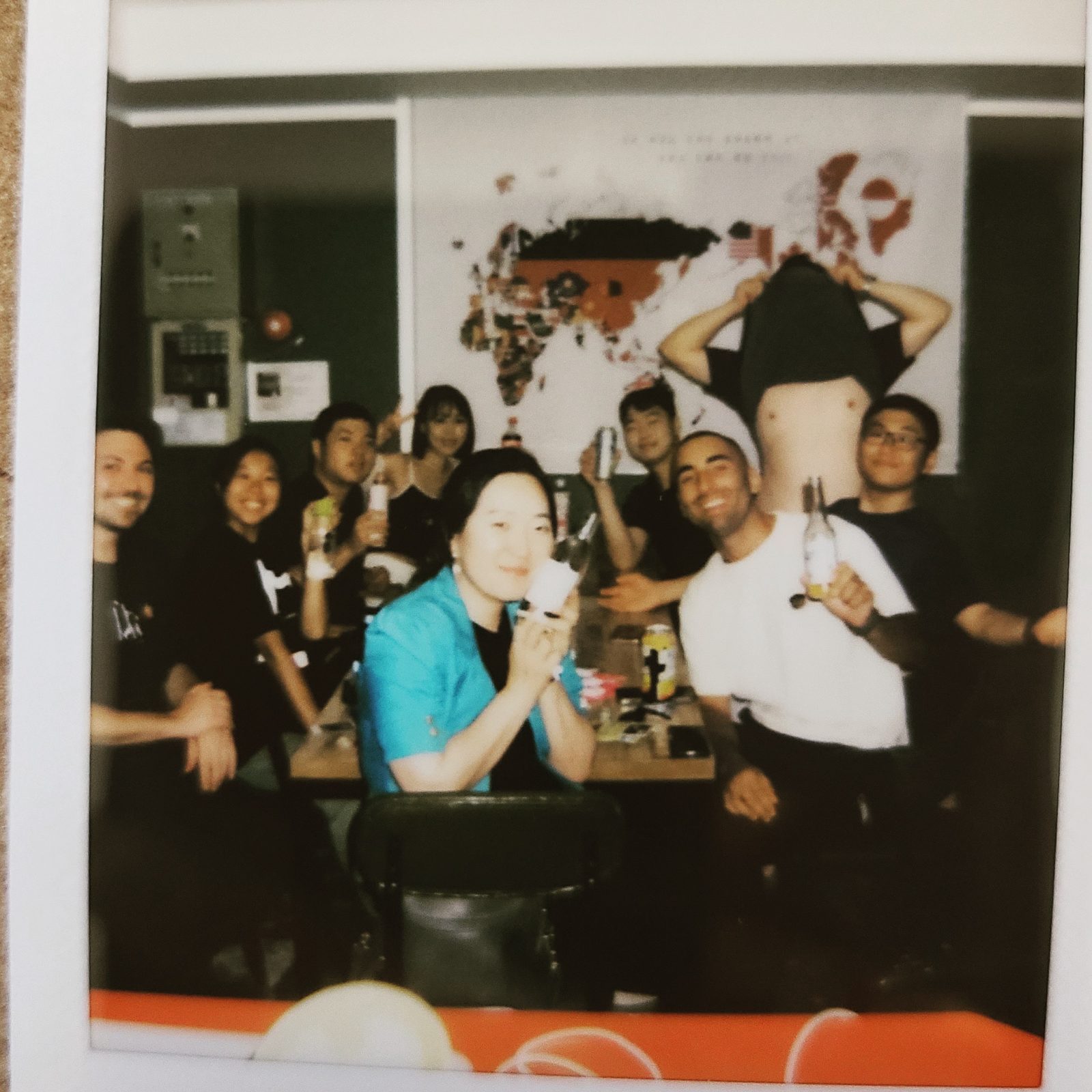
Busan's guesthouse dorms aren't that different from what you'd find in other backpacker cities, but a few local details help. If you're staying somewhere near Seomyeon or along the Busan Subway Line 1, you'll likely be coming back from nights out later than in other neighborhoods — Seomyeon's nightlife runs late — so dorms in that area tend to have more late-arrival traffic. Being extra quiet with your key card, your zippers, and the door itself around midnight and after is just part of staying in that kind of neighborhood.
At Kimchee Busan Guesthouse, a couple of minutes from Beomnaegol Station on Line 1, the dorm rooms come in women's and mixed options, in both 4-bed and 10-bed sizes, plus there's a shared kitchen, lounge, laundry room, and personal lockers — which covers most of what's above: somewhere to pack away your bag, somewhere to eat and chat that isn't the dorm, and a common space so late-night conversations don't have to happen next to someone's bed. If you're weighing dorm sizes, a 4-bed room is naturally quieter and easier to read the room's rhythm than a 10-bed one, worth thinking about if light sleep is a concern.
Before you check in
A little planning removes most dorm friction before it starts. Pack a small pouch with earplugs, an eye mask, and a portable charger so you're not the person turning on lights at 1am. Check your booking details and check-in information ahead of time — once you've booked, your confirmation, directions, and any host messages live in your account and on the My Stay page, so you're not messaging the front desk from the airport. And if you want more first-hand tips from other travelers passing through — best times to catch the kitchen empty, how the laundry room works, what to do on a rainy day in Busan — the travelers' lounge board is worth a scroll before your trip.
None of this etiquette is about being invisible. Dorms work because everyone accepts a small amount of shared inconvenience in exchange for a cheaper bed and usually better conversation than a private room gives you. Handle the lights, the zippers, and the alarm, and you're already ahead of most people.
Stay with us in Busan
Kimchee Busan Guesthouse is one minute from Beomnaegol Station and a short hop from Seomyeon. Book directly on kimchee.live — your reservation is confirmed the moment you pay.