
First Time Staying in a Hostel in Korea: What to Expect
First time staying in a hostel in Korea? Here's what shoes-off entryways, shared kitchens, lockers, and quiet hours actually feel like, plus what to pack.
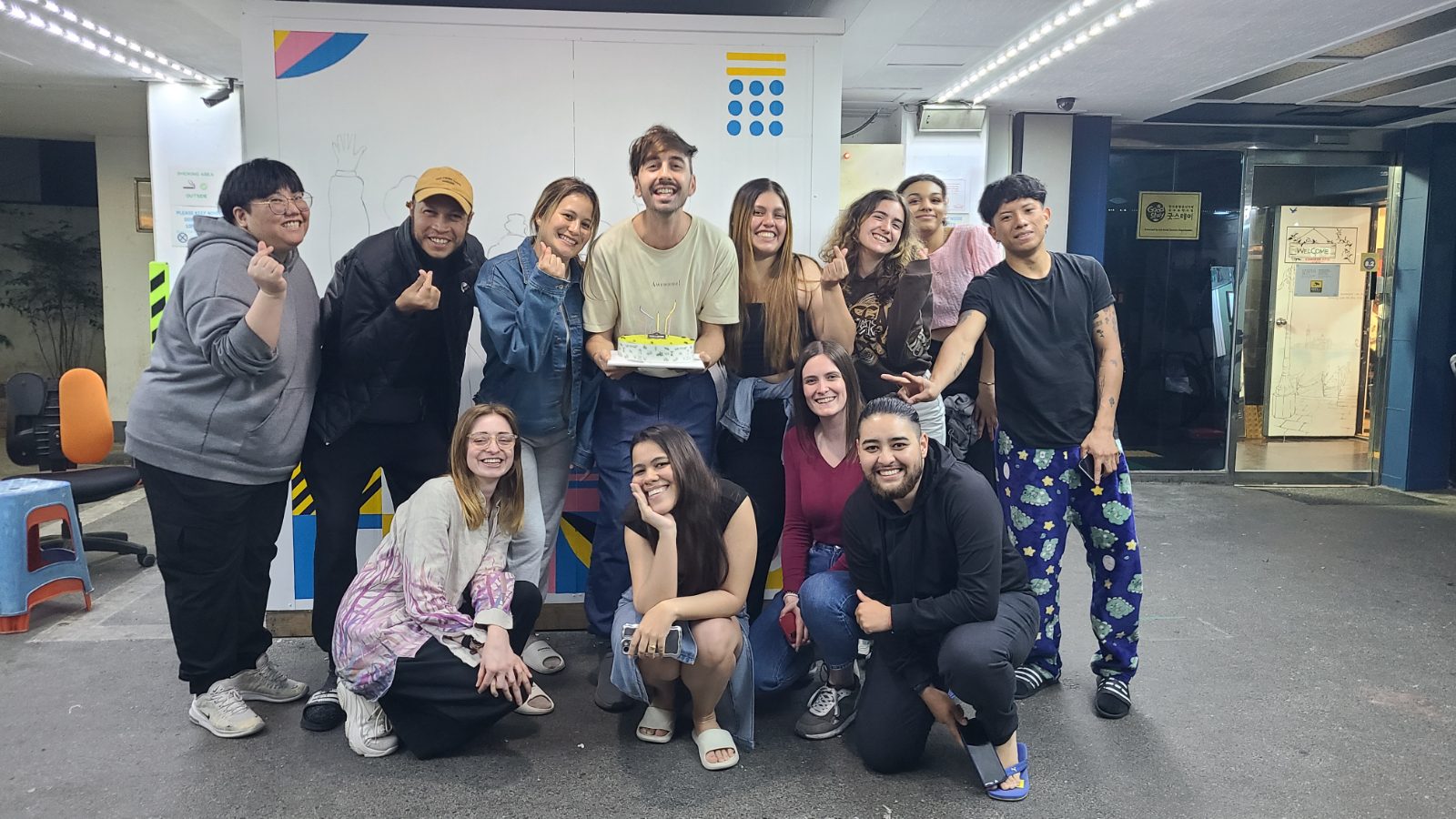
What a Korean guesthouse actually feels like
If you've only stayed in Western-style hostels, a Korean guesthouse will feel familiar in some ways and different in others. The bones are the same — dorm beds or private rooms, a shared kitchen, a common area where people talk about where they're headed next. But a few things are distinctly Korean, and knowing them before you land in Busan or Seoul will save you an awkward first ten minutes at check-in.
The short version: take your shoes off at the door, expect a locker for your valuables (bring your own small padlock if you have one), keep noise down after most guests have gone to bed, and pack a few things that aren't standard in every hostel abroad — like a padlock, earplugs, and slides for the bathroom. Below is the longer version, room by room.
Shoes off at the door — this one's not optional
Almost every guesthouse and hostel in Korea has a small entryway (called a hyeongwan area, though nobody expects you to know the word) where you leave your shoes before stepping up into the living space. There's usually a shoe rack or shelf right there, and sometimes a pair of slippers for guests to borrow. This isn't a house rule invented for tourists — it's how homes and most indoor spaces work across the country, so hostels just carry it over.
Practically, this means: don't walk into the dorm room or kitchen in your outdoor shoes, even just to grab something quickly. If you're wearing boots with a lot of laces, slip-on shoes for the trip make daily life easier. And if your socks have holes in them, this is the trip to finally replace them — you'll be showing your feet more than you think.
The shared kitchen is where the trip actually happens
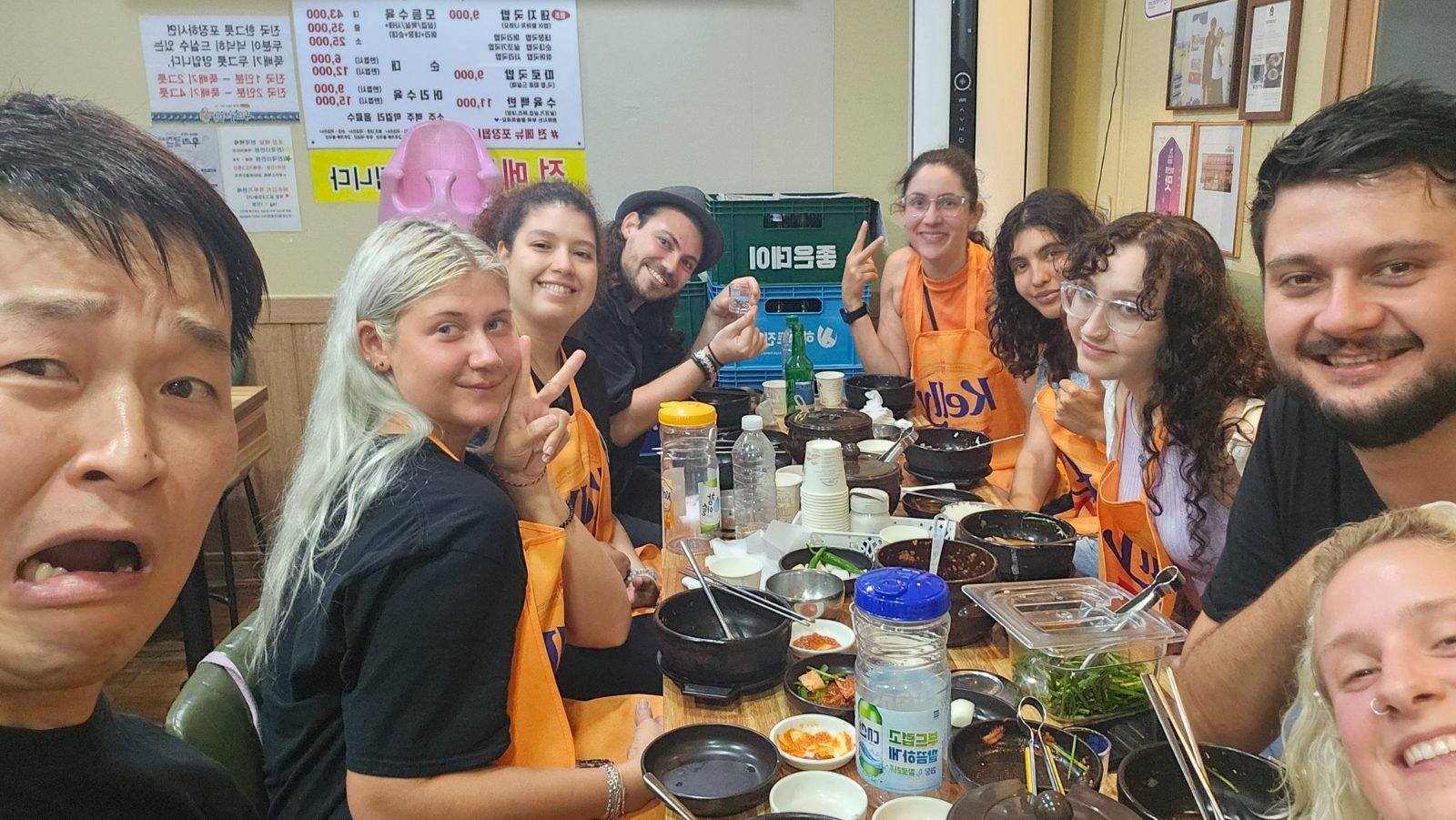
Most guesthouses have a communal kitchen — usually stocked with a rice cooker, a kettle, basic pans, and a fridge with shelves or bins guests can use for their own food. This is genuinely one of the better parts of staying in a guesthouse instead of a hotel: it's where you end up talking to the German couple who just came from Jeju, or the solo traveler doing a Japan–Korea loop, and someone mentions a market or a hiking trail you hadn't heard of.
A few unwritten rules make it work smoothly for everyone:
- Label anything you leave in the fridge, and don't assume unlabeled food is free for the taking.
- Wash your dishes right after you use them — kitchens get backed up fast when ten people are cooking breakfast at once.
- If you cook something with a strong smell (kimchi jjigae counts), open a window if there is one, and don't leave the pot sitting out.
- Convenience stores — GS25, CU, 7-Eleven — are everywhere in Korea and often open late, so you don't need to stock up on groceries the way you might in a country with fewer 24-hour options.
Lockers, valuables, and what to actually worry about
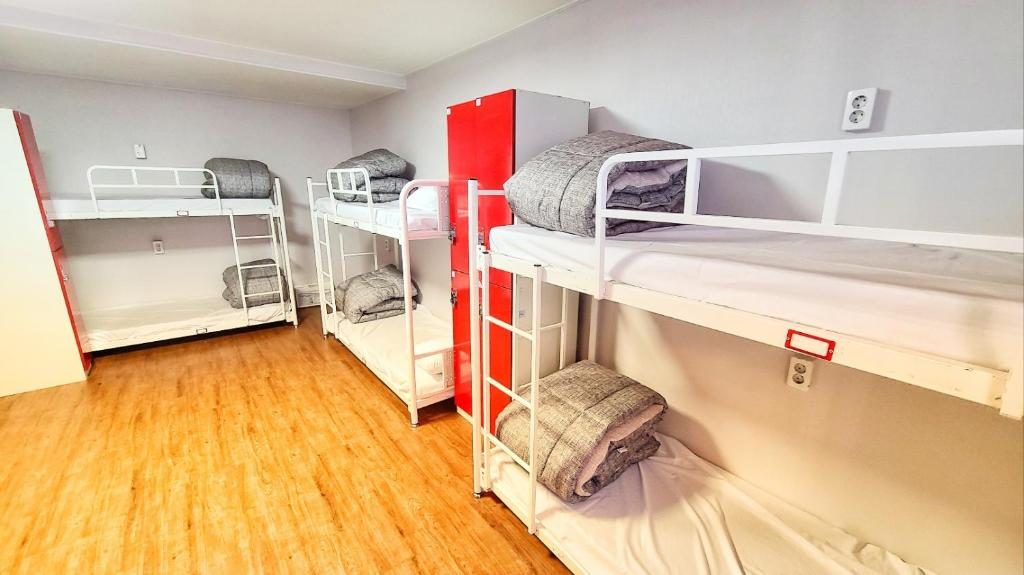
Korea has a reputation among travelers for being unusually safe, and most people who visit find that reputation holds up — but a shared dorm room is still a shared dorm room, with strangers coming and going on different schedules. Guesthouses typically provide individual lockers for each dorm bed. What they don't always provide is the padlock itself, so bring a small combination or key lock from home, or plan to buy one at a local hardware store or big-box store after you arrive.
Keep your passport, cash, and electronics in the locker when you're out, even if you trust your roommates completely — it's less about trust and more about habit. Charging cables and phone chargers are one of the most commonly forgotten items in shared plugs near bunk beds, so a cheap multi-port charger of your own is worth packing.
Quiet hours and dorm etiquette
Guesthouses don't always post a strict lights-out time the way some hostel chains do, but there's a general unspoken understanding that once it's late, you keep your voice down, your phone on silent or with headphones, and your packing/unpacking to a minimum. If you're coming back from Seomyeon or Gwangalli after a late night out, that's completely normal — just be considerate about how much noise you make getting into your bunk.
Top bunks usually have a small curtain or at least a shelf and light for personal space. Bring:
- Earplugs and an eye mask — even a quiet dorm has someone who snores or an early riser packing at 6am.
- A headlamp or phone flashlight for finding things in your bag without waking the room.
- Slides or flip-flops for the bathroom and hallway.
- A quick-dry towel — some guesthouses provide towels, some don't, and it's not something you want to find out at 11pm.
What to actually pack for your first guesthouse stay
Beyond the obvious clothes and chargers, a few small items make a real difference for a comfortable stay:
- A padlock for your locker (combination locks avoid the problem of losing a key).
- Slip-on shoes to make the shoes-off routine painless.
- Earplugs and an eye mask for dorm sleeping.
- A portable battery pack — outlets near bunks aren't always convenient.
- A light day bag for temple visits, markets, and days when you don't want to carry your whole backpack.
- Cash in small bills alongside a card — most places take cards, but some markets and small shops are cash-friendly and it's good to have both.
Picking a neighborhood matters as much as picking the room type
In Busan specifically, where you stay changes your whole trip more than people expect. Staying near Seomyeon or along Line 1 puts you close to the shopping and nightlife but still an easy subway ride from the beaches at Gwangalli and Haeundae, or the historic alleys near Busan Station. If your priority is beach mornings, staying closer to the coast makes sense; if you want to be central and hop around by subway, something near a Line 1 or Line 2 hub is usually the easier base. It's worth thinking about this before you book rather than after — a 20-minute subway ride each way adds up over a week.
Booking direct instead of through a big OTA
One thing that's a little different in Korea compared to some other countries: a lot of independently run guesthouses, including the one we run, take direct bookings rather than only listing through the big international OTAs. kimchee.live is built around that idea — book direct, and the payment goes through card (Toss Payments) or PayPal, with your reservation confirmed as soon as payment clears. Once it's booked, your Account and the My Stay page hold your confirmation, directions, check-in details, and a way to message the host directly, which is handy if your flight lands late or your plans shift.
Our own place, Kimchee Busan Guesthouse, sits one minute from Beomnaegol Station on Line 1, one stop from Seomyeon, with the usual mix of dorms and private rooms, a shared kitchen, lounge, laundry, and lockers described above. It's not a special case — it's a pretty standard example of what a Korean guesthouse stay looks like, which is really the point of this post.
Before you go
None of this is meant to make a hostel stay in Korea sound complicated — it's mostly small habits that become automatic after your first day. Take your shoes off, label your food, keep a padlock handy, keep noise down at night, and the rest takes care of itself. If you want to compare specific rooms and dates, browsing available stays or checking questions from other travelers on the traveler lounge board is a good next step, and there's more on Busan neighborhoods and logistics over on the blog.
Stay with us in Busan
Kimchee Busan Guesthouse is one minute from Beomnaegol Station and a short hop from Seomyeon. Book directly on kimchee.live — your reservation is confirmed the moment you pay.